Building Authentic Collaborations: How Modern Hip Hop Artists Are Breaking Genre Barriers
The most interesting music being made right now doesn’t fit neatly into categorical boxes. It lives in the space between—between hip hop and soul, between trap and jazz, between the polished and the raw. This isn’t accidental. Today’s most compelling artists are deliberately seeking collaborations that push them outside their comfort zones, forcing themselves to grow as musicians and storytellers. The result is music that feels fresh, human, and urgently relevant in a way that genre-pure approaches often struggle to achieve.
The conversation around hip hop has shifted dramatically over the past five years. It’s no longer about whether a rapper should work with a singer, or whether incorporating live instruments undermines hip hop credibility. Those debates feel quaint now. Instead, the question is: how do artists authentically blend genres without losing their core identity? How do you create music that serves the song rather than the formula? And crucially, how do you build studio chemistry that allows for genuine collaboration rather than just trading verses?
The Studio as Creative Laboratory
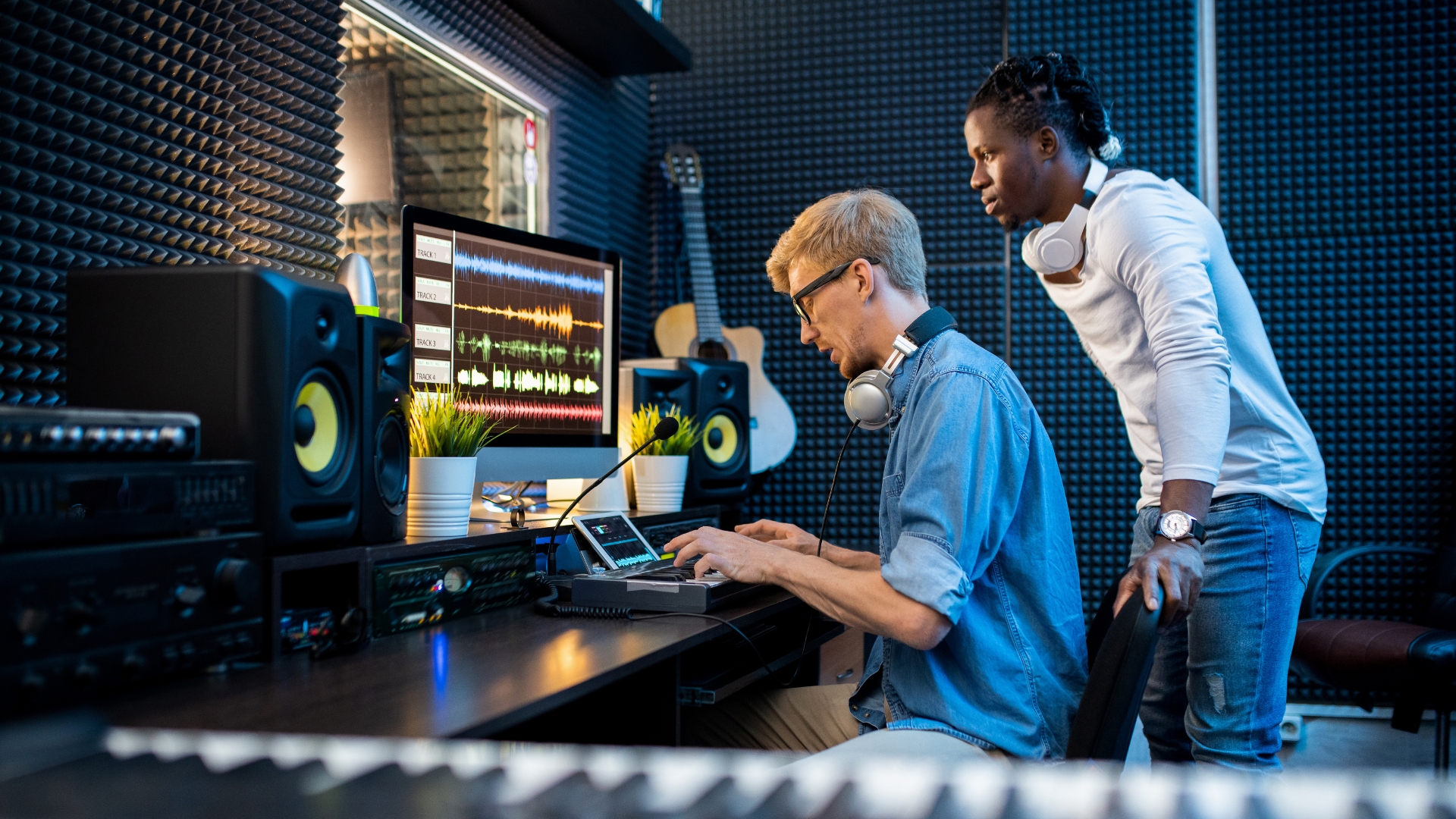
The modern hip hop studio is fundamentally different from what it was ten years ago. Technology has democratized recording—you can make professional-quality tracks in a bedroom. But that democratization has also raised the bar for what audiences expect. A bedroom track needs to sound intentional, not just competent. It needs character. And that character increasingly comes from bringing actual musicians into the process, not just beats and effects.
When an artist decides to collaborate across genres, they’re making a statement about how they approach their craft. They’re saying: I’m not locked into a sound. I’m not afraid to grow. I’m interested in creating something neither of us could create alone. That mentality changes everything about how a session works.
The producers and engineers who facilitate these collaborations understand something crucial: the technical setup matters, but it’s secondary to the creative environment. A session where a hip hop artist and a soul singer are building something together requires different energy than a session where someone is working alone on production. There’s collaboration, cross-pollination, and the kind of creative friction that produces surprising results.
The Technical and Creative Requirements of Cross-Genre Work
When you’re building collaborations that blend genres, the technical setup needs to support experimentation. This means having the right tools—both hardware and software—that allow artists to work naturally. A vocalist shouldn’t be fighting a clunky interface. A producer shouldn’t be constrained by limitations in their setup. The gear should disappear, leaving only the creative process.
This is why successful collaborative sessions often involve investing in quality recording equipment. When you’re capturing performances from multiple musicians across different genres, you need gear that preserves the nuance of what they’re doing. A cheap microphone erases character. A poor preamp colors the sound. A cheap interface introduces latency that disrupts timing. These might seem like technical details, but they fundamentally affect whether a collaboration feels authentic or processed.
The same principle applies to the instruments being recorded. According to Great Violin Cases, artists and studios that invest in quality instruments understand that the tools affect the output. This applies equally to recording—if you’re featuring live strings on a track, the quality of those strings matters. If you’re recording a vocalist, the environment and equipment matter. The investment in quality directly translates to output that sounds intentional rather than compromised.
Examples of Successful Genre-Blending: Learning from What Works
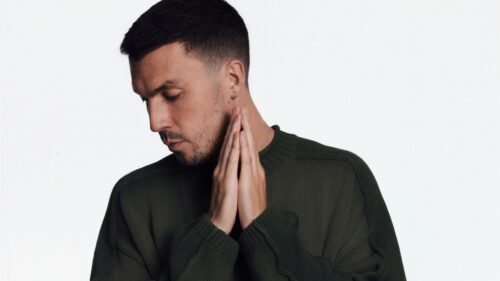
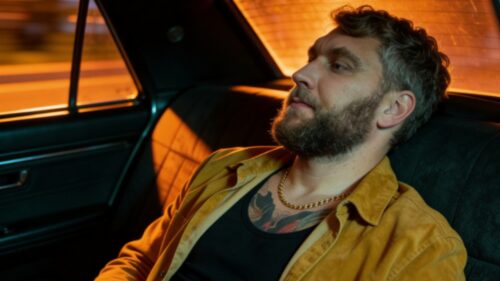
Look at the artists who are genuinely moving the culture forward. They’re not staying in their lane. They’re crossing over, experimenting, and using their platforms to elevate other artists in ways that feel genuine. When D-Smoke and Sherie collaborate, they’re not trying to make a hip hop track or a soul track—they’re making a song that draws from both traditions while creating something that exists in neither. That distinction matters.
These collaborations work because both artists come with intention. D-Smoke brings a lyrical sensibility and rhythmic vocabulary from hip hop. Sherie brings melodic sophistication and emotional depth from soul and R&B traditions. When they meet in the studio, neither is compromising to fit the other’s mold. Instead, they’re expanding what both genres can express.
This approach requires confidence. It requires artists who know their craft well enough to venture outside it. It requires producers and engineers who understand multiple genres well enough to facilitate conversations across them. And it requires studio environments where experimentation is encouraged rather than feared.
Creating the Right Energy in Collaborative Sessions
Technical quality is necessary but not sufficient. The real magic happens when the creative energy is right. This requires several things:
- Intention: Both artists need to come to the session with purpose. They should have listened to each other’s work, have some ideas about direction, and be genuinely interested in creating something together. Sessions that feel like obligations produce obligatory music. Sessions where both parties are excited produce magic.
- Trust: If an artist is going to venture outside their comfort zone, they need to trust the people in the room. They need to trust that their collaborator won’t make them sound bad. They need to trust that the engineer understands their vision. They need to trust that experimentation is safe. Building that trust takes time and sometimes requires artists to work with the same team repeatedly.
- Space: Ironically, collaborative sessions work best when there’s space—space to try things that don’t work, space to sit in silence, space to reject ideas without bruising egos. This sounds obvious, but many sessions are run as tightly scheduled production lines where everything needs to work immediately. The best collaborations happen when there’s room to explore.
- Clarity on Vision: There should be a point person with a clear idea of what the song is about and where it’s heading. This doesn’t mean it’s rigid—it evolves through the session. But without some north star, collaborations can become directionless explorations that produce nothing finished.
The Business of Authentic Collaboration
From a pure business perspective, successful cross-genre collaborations expand audience reach. A hip hop artist’s fans discover soul music. A soul artist’s fans discover hip hop. Both fanbases grow. But this only works if the collaboration is authentic. Audiences are sophisticated enough to detect cynical pairings. They know when two artists are just trading features versus actually creating something together.
The artists building real careers are the ones who treat collaborations as meaningful creative partnerships, not promotional vehicles. They say no to collaboration offers that don’t feel right. They invest time in developing chemistry with their collaborators. They take risks, and sometimes those risks don’t work out. But the ones that do, resonate with audiences in ways that formula-driven music never does.
Genre-Blending as Cultural Conversation
There’s something deeper happening when hip hop artists work with soul singers, when producers incorporate live jazz into trap beats, when the boundaries between genres become porous. It’s not just about making interesting music—though that’s important. It’s about acknowledging that artistic innovation happens at the intersection of traditions.
Hip hop didn’t invent sampling—it took from soul, funk, jazz, and countless other genres. Soul didn’t invent harmony—it built on blues, gospel, and R&B. Every major genre innovation has involved artists crossing boundaries and blending traditions. The artists doing the most interesting work right now understand that hip hop’s cultural power comes partly from that hybrid DNA—the ability to absorb influences and create something entirely new.
When modern artists deliberately seek cross-genre collaborations, they’re consciously participating in that tradition. They’re saying: this music matters to me, and by bringing it into conversation with my own tradition, we can create something that honors both while creating something neither could create alone.
What This Means for the Future
The future of hip hop and contemporary music broadly isn’t going to be more genetically pure. It’s going to be more blended, more collaborative, and more intentional about drawing from multiple traditions. The artists who thrive will be the ones comfortable in that world—artists who have the technical skill to execute in multiple genres, the confidence to venture outside their lane, and the taste to know which collaborations serve the music.
For anyone making music, the lesson is clear: vulnerability is an asset. Seeking collaboration is a sign of strength, not weakness. The willingness to work with people different from yourself, to learn from them, and to let that learning change your music—that’s what produces art that lasts.
The tracks that matter aren’t the ones made in isolation by solitary geniuses. They’re the ones that emerge from genuine creative partnership, from artists pushing each other, from conversations between traditions. That’s not new—that’s hip hop’s original DNA. We’re just finally getting back to understanding why that matters.