The parts of a big night that never make it onto anyone’s story are the queue, the Uber between the warm-up bar and the main room, and the hour on someone’s sofa after the lights come up. Those are the bits where people are actually on their phones, and with cameras taped over or banned inside the more serious clubs, they’re increasingly the only bits.
The Night Stopped Being One Room
The six-hours-in-one-venue night is thinning out. The Night Time Industries Association’s May 2026 market monitor puts the UK’s late-night economy 28.9% below its March 2020 level and describes people “socialising earlier and seeking experience-led environments rather than traditional nightlife models”. A Saturday now tends to come in stages, a bar and then a headline room and then an afterparty, with a fair amount of transit in between, and promoters have started programming for that. Lost Sundays’ block party in Sydney ran four stages across ten hours this March, and with four stages nobody is expected to stay put.
Between Rooms
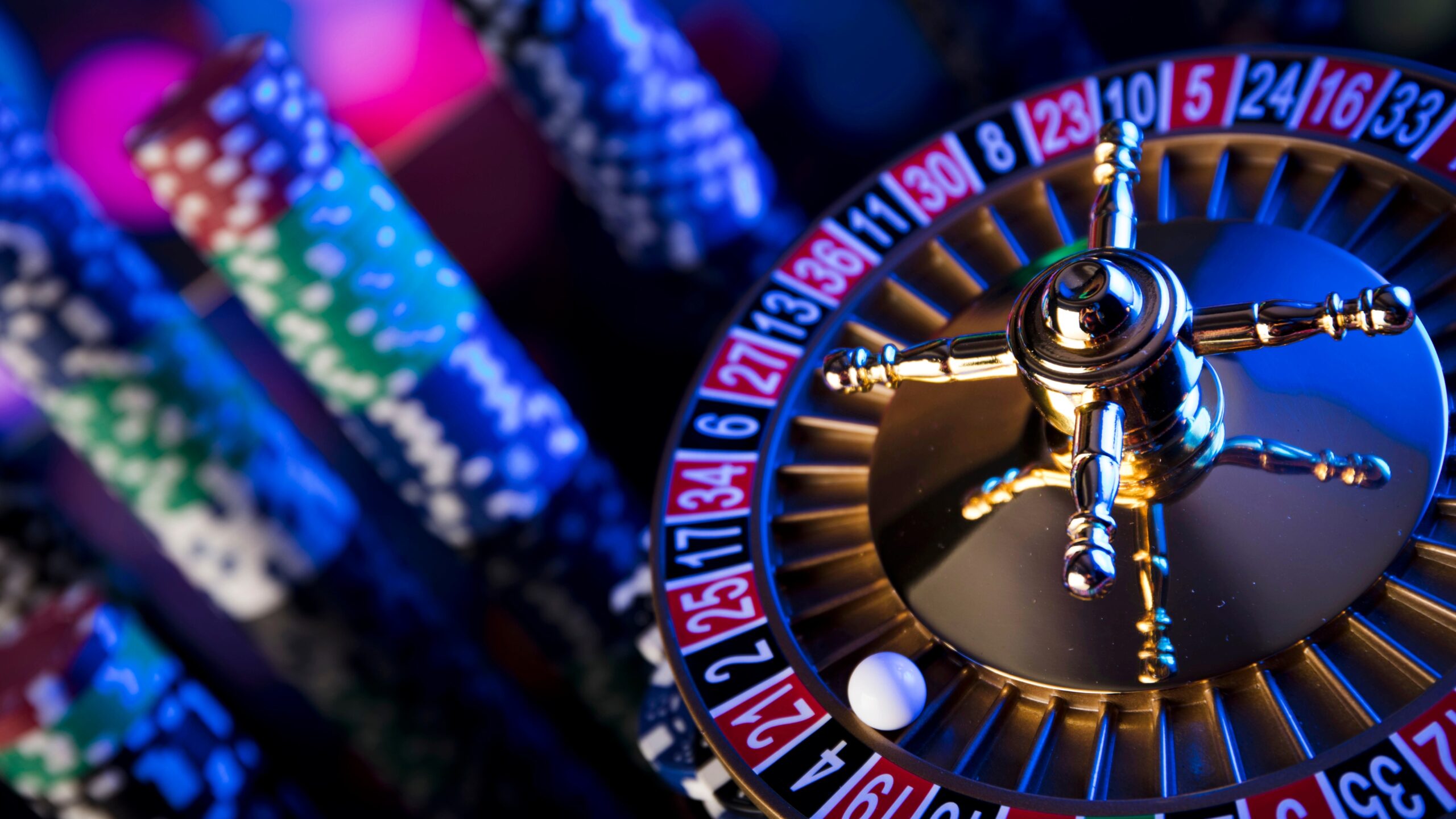
What gets played on the way between rooms comes down to how much a game punishes you for leaving it. A console campaign is built to keep you there, with checkpoints, cutscenes you can’t skip and a save point you have to reach before the car pulls up. Casino games work the other way. Similar to classic online games, individual rounds operate independently, carrying nothing over from the last spin or deal. Blackjack travels best. Close it halfway through a hand and all you’ve lost is the hand. It’s much closer to doing the crossword on the last train than to anything that happens on a dancefloor, and it lives in the same part of the evening.
Venues Learned to Design the Lulls
Inside the room, clubs have mostly dealt with the phone by taking it away. fabric asks guests not to shoot photos or video so that everyone can “stay in the moment”, and Berghain has been putting stickers over camera lenses for years. That doesn’t get rid of the phone so much as push it out to the queue and the car, where most of its use on a night out was happening anyway.
The lulls inside a venue get designed now too. Hï Ibiza describes itself as having “a wildcard third dancefloor and the world’s first in-club art gallery”, which is a club admitting that part of its floor is for wandering about rather than dancing. NQ64 started in Manchester’s Northern Quarter in 2019 and now has rooms in ten UK cities, and its new Soho site is adding claw machines and augmented-reality darts to the retro cabinets. Barcade, which calls itself the original arcade bar, has been running forty to seventy-five 1980s machines per site in the US for a good deal longer. None of it replaces a set; it gives people something to do in the lull before the next one, and a two-minute arcade round is about the right length for that.
The Hour In Between
When a night has three venues and two rides, the in-between adds up to an hour or more, and that hour has turned into a business of its own, with arcade bars, in-club galleries and quick games on a phone all competing for it. The NTIA’s figures say the venues doing best are the experience-led ones, and a fair bit of that experience now happens somewhere other than the dancefloor.