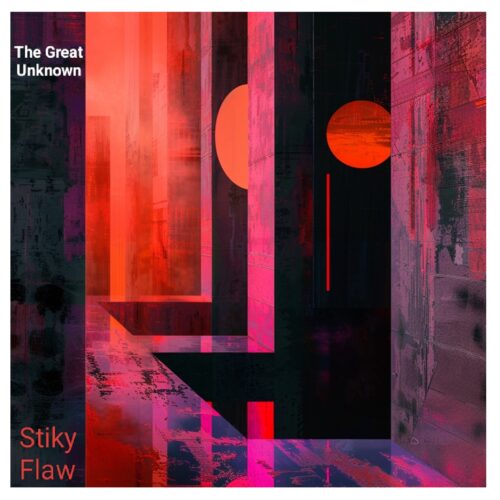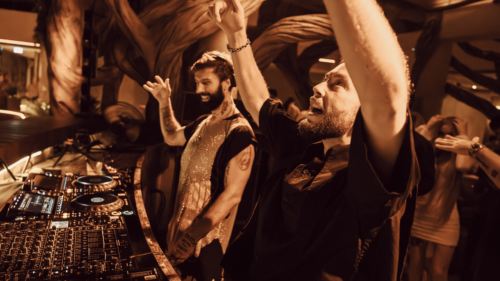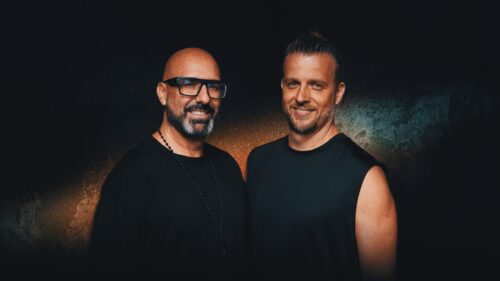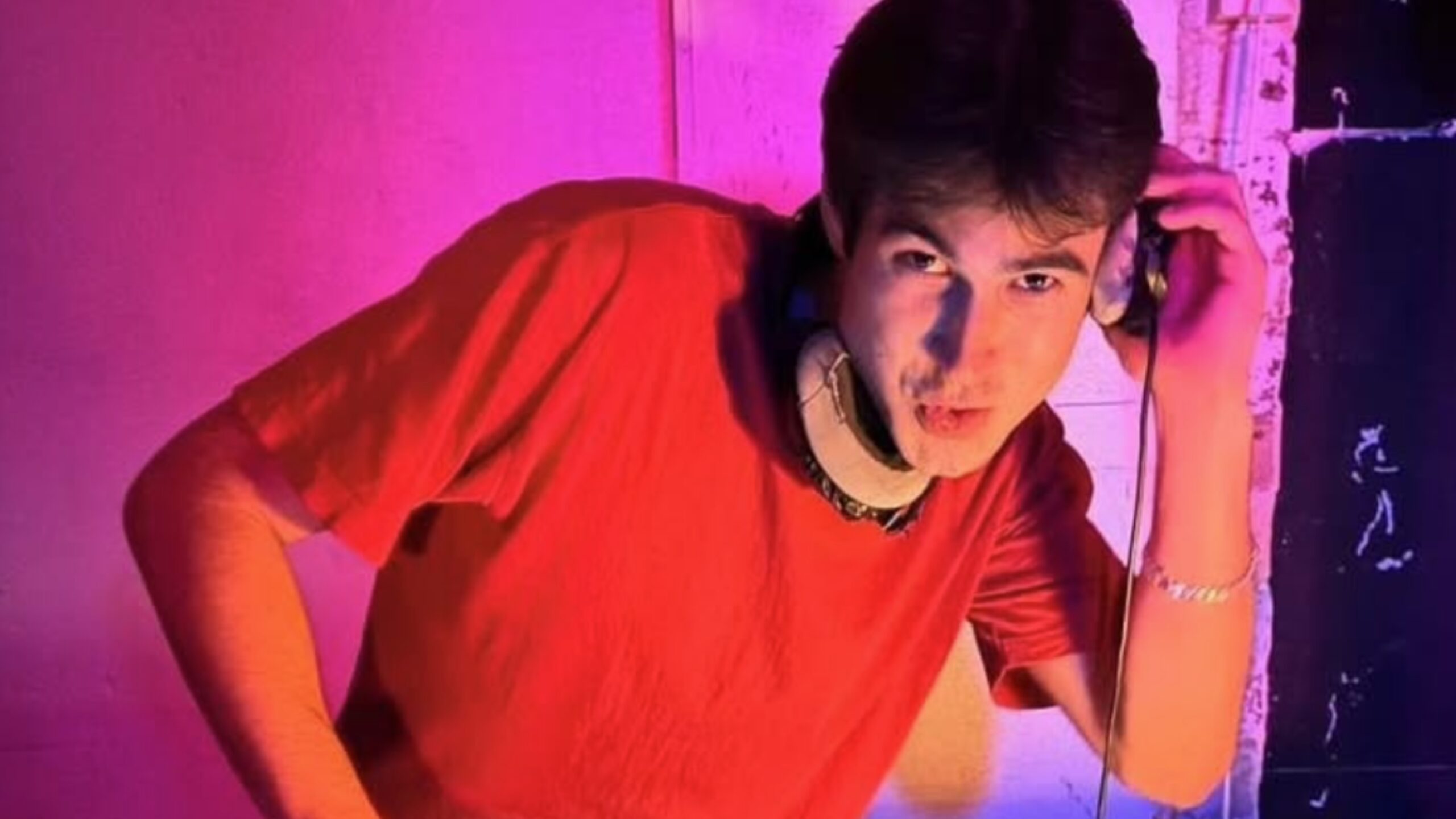
Stiky Flaw unveils his latest release, “Highs,” a track that fuses Sydney’s raw underground edge with the soaring lift of Trance.
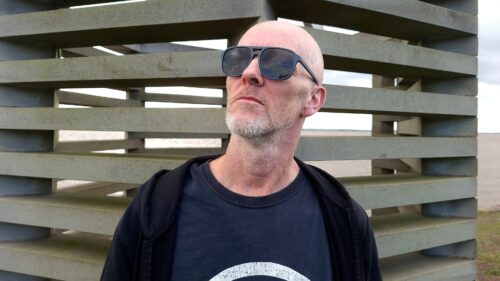
Sydney’s underground has never been about easy wins or glossy debuts. It thrives in the shadows rather than the spotlight, shaping artists in half-lit warehouses, graffiti-lined passageways, and spaces where the music pulses so intensely it dissolves individuality. Within this environment, Stiky Flaw—aka Thomas Bezzi—carved out his identity, not by chasing attention, but by fully surrendering to the scene that built him.
EXCLUSIVE INTERVIEW
Your journey started in Sydney’s underground scene — how did those early experiences shape your identity as Stiky Flaw?
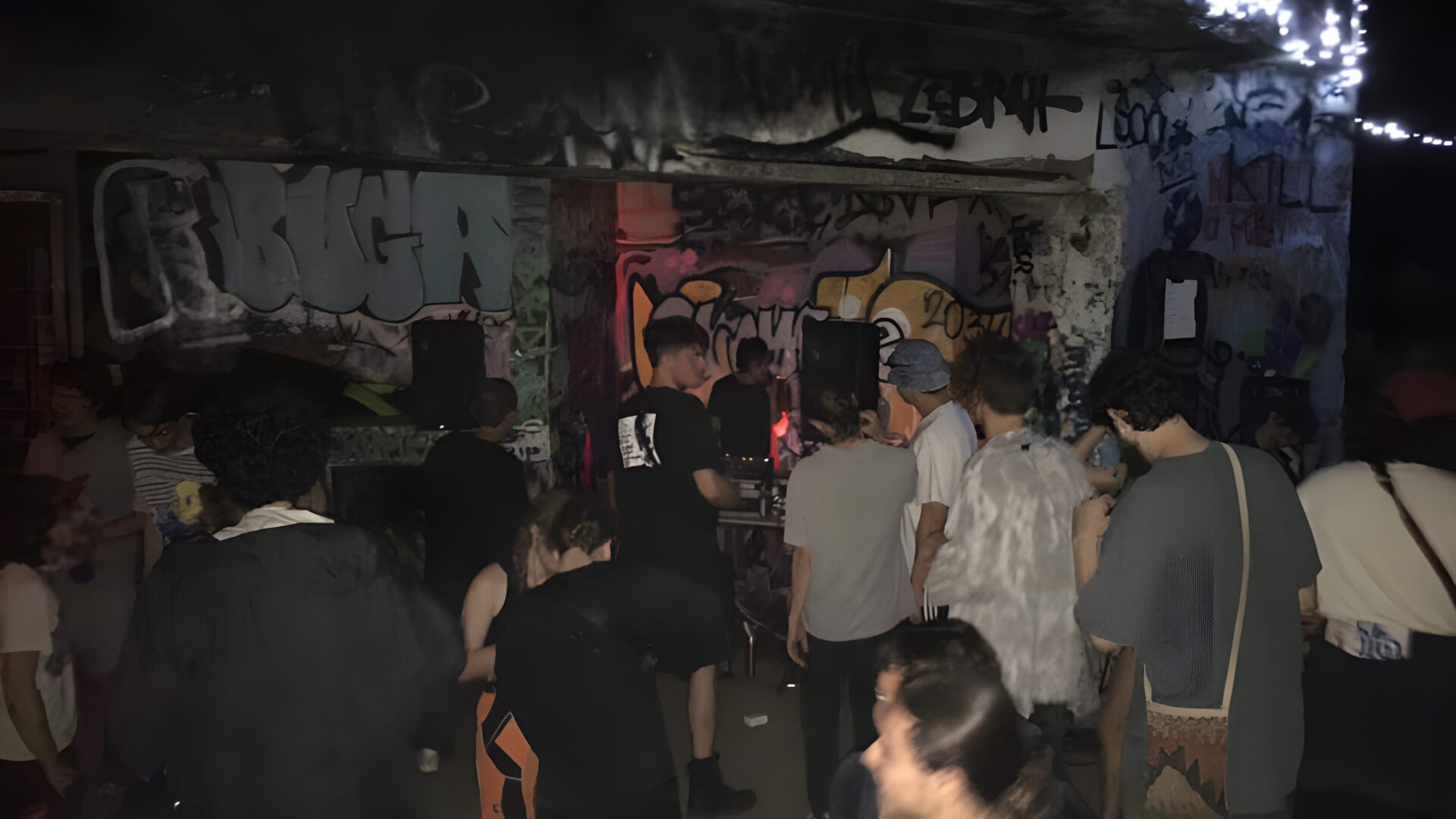
I grew up in Sydney’s inner west, and from a really young age I was doing graffiti. Abandoned buildings, canal walls, back alleys. I was always drawn to these forgotten spaces, places the city had turned its back on. There was something magnetic about them. That same instinct pulled me into the DIY event scene when I was in high school. Bonfire parties out in the bush, warehouse parties in Marrickville, whatever was going on that weekend. I got completely enveloped in it.
Back then it was a lot of dubstep and drum and bass at those parties, and the scene carried a lot of negative social stigma, but that almost made it more appealing. As I got older my ear shifted towards techno and trance, sounds that felt deeper and more intentional. On the live music side I played in heavy metal, punk, and rock bands through high school, and as my taste matured I moved into jazz and funk, which eventually led me to DJing and producing.
But as much as I love a proper club night, my real passion has always been the illegal DIY rave. There’s an energy in those spaces that you just can’t replicate in a licensed venue.
You draw from a wide range of influences, from jazz guitar to punk shows. How do those elements find their way into your electronic productions?
My music spans a lot of genres and pulls from everything I’ve ever been into. You’ll hear bits of punk aggression, jazz harmony, funk groove, all threaded through the electronic production. The aim is always to keep it interesting and unpredictable without losing the dancefloor. I never want someone to hear a track and immediately know where it’s going. If you listen closely you can find elements of basically every genre I love buried in there somewhere, and I think that’s what gives the sound its own character.
“Highs” feels both powerful and emotional at the same time. What was the initial idea or feeling that sparked the track?
I started the track on the backend of a massive bender. I’d been down at Pitch Music and Arts, then FJAAK came through Sydney a week later, and I ended up partying for another week straight after that. By the time I sat down in the studio I was in this liminal headspace, wired but reflective. I wanted to make something that captured both sides of that feeling. Soft and atmospheric but hard and fast at the same time. That tension between euphoria and exhaustion is really what the track is about.
Listen on Spotify
You’ve described the track as something that “spirals” rather than simply builds — can you talk about how you approached that structure in production?
Instead of thinking about the arrangement in a linear way, I thought about it more as a circle. In African drumming traditions, rhythm is perceived as cyclical rather than the way we tend to approach it in Western music, which is very start-to-finish, very linear. I took that concept and made sure each element I added contributed to that circle, juxtaposing with the corresponding rhythms rather than just stacking on top of them.
The spiral idea draws from the Fibonacci sequence and from general psychedelia. At Pitch I had this moment staring at the trees out in the bush, watching the way they climb towards the sky in these spiralling patterns, and that visual really influenced how I thought about the track’s structure. It doesn’t just go up. It wraps around itself.
There’s a balance in your sound between raw textures and polished elements. How do you maintain that without losing authenticity?
Honestly, I just go with what sounds good. It’s authentic to me because it’s exactly what I want to hear. I’m not trying to maintain a specific ratio of rough to clean. If something sounds right, it stays. If it doesn’t, it goes. I think overthinking that balance is where artists lose the authenticity in the first place. The rawness isn’t a calculated choice, it’s just how things come out when you’re not second-guessing yourself.
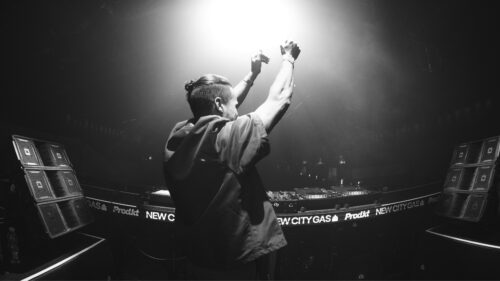
A lot of your music feels very connected to the dancefloor. How important is that real-world club experience when you’re in the studio?
It’s everything. I make music with energy, music that moves people. I believe the best art has a purpose, and the purpose of dance music is to make people move. It’s one of the most primal instincts we have. It’s a social conduit that goes way deeper than any genre or trend. Even birds synchronise their movement to their own singing.
Music and movement are inseparable, they’ve always gone hand in hand. So when I’m in the studio I’m always thinking about the dancefloor, about what a room full of people would do when a particular sound hits. That connection to the physical experience is what keeps the music honest.
Your collaborative track “Alive” shows a different, more vocal-driven side. How does your creative process change when working with other artists?
When I’m working with vocalists I shift into more of an accompaniment role. I pull back on the melodic elements and focus on the harmonic and rhythmic framework that will complement what the vocalist is doing. It’s about creating space for them to inhabit rather than competing for attention in the mix. The production becomes more about support and texture, and that’s a different discipline to producing a purely instrumental track where everything has to carry the energy on its own.
“Highs” was created during a very specific mental and physical state. Do you think those moments of intensity are necessary for your creativity?
When your mind is in that space it can take you to some really interesting places. You don’t have the same inhibitions, so you’re not filtering ideas before they’ve had a chance to breathe. You just let creativity go wherever it wants without holding back. I wouldn’t say it’s strictly necessary, but those heightened states definitely open doors that you might walk past when you’re in a more rational headspace. Some of the best creative decisions come from not overthinking.
You’re bridging street culture and club culture in a natural way. Do you see that as a conscious direction, or something that just happens through your background?
It’s just who I am. At a DIY level, street culture and club culture intersect naturally. Kids will always need creative outlets and freedom, and that energy will always find a way to express itself. Clubs are basically just an institutionalised version of that same impulse. I come from Sydney, where the state government tried to crush traditional nightlife for years with the lockout laws. We had to adapt.
When I was growing up there were so many DIY illegal events because the clubs were closed. The only place you could go after midnight was the casino, so we made do and threw our own parties. That experience shaped everything. When your scene gets pushed underground, street culture and club culture stop being separate things. They become the same thing.
With new music on the way, how do you see your sound evolving from here?
I’m looking to collaborate with more vocalists and see where that takes the sound. I’ve got a lot in the works across different styles, but I’m also putting real energy into refining my DJ sets and getting better at reading the room. At the end of the day, creating the right vibe is everything, whether that’s in the studio or behind the decks. The evolution will come naturally from just staying curious and staying connected to the dancefloor.
UFO Network brings you music news daily! See more news here
“Highs” by Stiky Flaws is available for Free Download
Connect