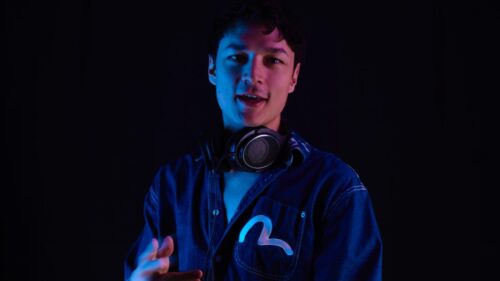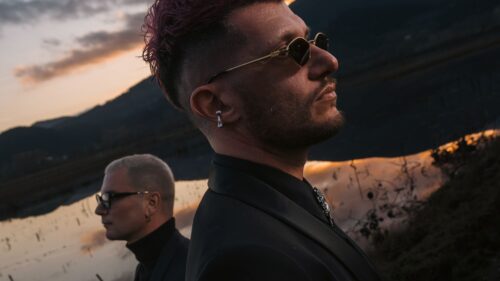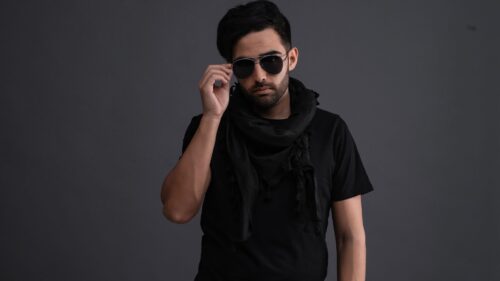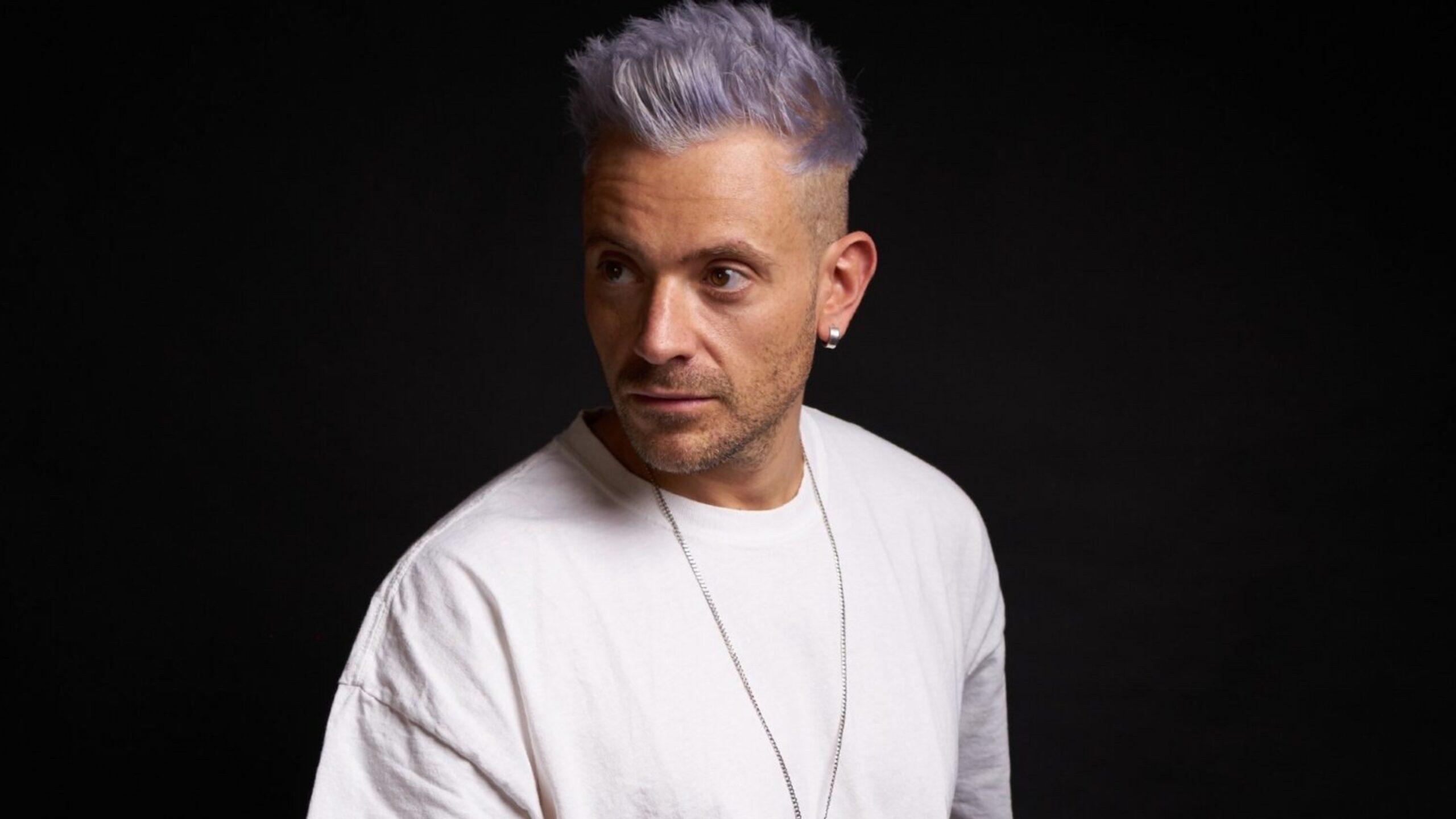
CASSIMM is back on Toolroom with his latest single, “Over You,” sampling the iconic vocals of Warren Clarke and Kathy Brown from their classic original.
Building on a strong track record with Toolroom, where his releases have consistently gained support from top DJs and climbed charts, the Italian has proven himself a standout talent in the House realm.
Following a string of successes on the label, alongside his recent Beatport achievements and a climb to #15 on 1001Tracklists’ Top 101 Producers chart, CASSIMM continues to deliver soulful, dancefloor-ready House that resonates globally. “Over You” is set to keep the momentum going.
We chatted to CASSIMM about his latest release:
“Over You” updates a beloved Warren Clarke & Kathy Brown classic. When you approach a heritage vocal, what’s your internal checklist for honoring the original versus pushing it forward for 2025 dancefloors?
Let me start by saying that this time I wasn’t aiming to rework a classic, even because there is actually much more vocal in the original track. I was looking for a vocal that could match the energy of my instrumental, and that part of the acapella was just perfect. Answering your question though, when I decide to re-edit something, my final goal is always to preserve the original vibe of the song while giving it a newer and fresher “dress”.
You’ve become known for riding the line between chunky, groove-led club tracks and soul-driven song records. What’s the moment in the studio when you know a track should lean one way or the other?
Well, there are some types of vocal that just don’t fit with a certain genre. If you look at some of my classics like “Love Desire”, “Say Yeah”, “The Speech”, and of course “Over You”, they all have the same thing in common, which is a diva voice, very uplifting. The same instrumental with a different type of vocal would not perform the same.
Your rise has been steady since 2012, capped by being the second best-selling house producer on Beatport in 2022. What’s a misconception people still have about “momentum” that you’ve learned the hard way?
I’ve been number one twice actually since 2022. Artists always have moments of peak in their career. You can’t stay on top forever; life is not only about work or career. There are other things that keep you alive, and it’s right to focus on them as well. I thought that my “momentum” was when I had “Love Desire” at number one and played literally by everyone, plus at least five or six other tracks in the chart at the same time, so I was sure that in a matter of weeks my calendar would have been full of bookings, but that didn’t happen. It took six months to a year actually to get that momentum, and that was hard to comprehend for me at the time.
DJ support for “Over You” spans Chris Lake to Groove Armada to Gorgon City, all with different sonic worlds. When such diverse names back your record, what does that tell you about the track you made?
I believe this is one of my characteristics, you know. Loads of my records have been spanned from one side to another, played by DJs with very different musical backgrounds, and for some reason my music fits their set. Seeing this happening multiple times made me realize that if a record is good, it doesn’t really matter the genre, it will get played.
You’ve spoken about early musical training from age eight. What’s a skill from those days that still actively shapes your workflow, maybe something you didn’t expect to matter in electronic music?
I’ve been into music all my life in different forms, and probably intuition is the one. When you are into music for such a long time, you actually see it changing constantly, especially dance music. This might not sound like a practical skill on the ground, but it is for me. I believe that in music, being capable of looking forward is more important than any technique you can learn in making music.
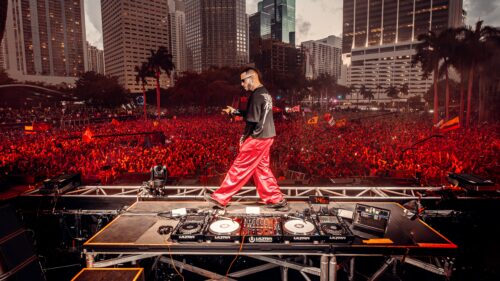
You’ve played some of your best shows recently in new territories. What’s one unexpected crowd or city that forced you to rethink how you build or sequence your sets?
Playing all over the world is a challenge, and changing the sequence of the set based on the last gig performed might not work when the next one is basically at the other side of the globe. So rather than changing my set, I would just take some considerations for the next time I perform in that country. Like the US for example: I’ve learned that every time I go there, my sets will probably be a bit more punchy than when I play in Europe.
You’ve mentioned that Dr. Dre is an influence. If Dre were to walk into your studio today, what part of your production process would you proudly show him, and what would you hide?
What has really inspired me about Dre is that he came from nothing and he became one of the most important producers on earth when music was not accessible so easily like today. We work in different music genres, but I would probably show him how his way of sampling has inspired mine. I don’t think I would hide anything; I would show him as much as I can to learn and make treasure of his tips.
Sampling ethics and vocal house heritage are hot topics right now. What’s a conversation about sampling that you feel the industry isn’t having enough?
It’s been part of the music for years now. As long as the credits are given to the original artist, it’s all good if you ask me. We should definitely talk about the fact that sampling is not stealing. There is this misconception of using sampling to steal ideas when it’s not. Even if two artists sample the same song, the final result will be different anyway.
You tour globally yet continue a high output of charting releases. What’s the specific discipline or routine that keeps your production consistent while living the DJ life?
I work 24/7. I lost count of how many times my wife told me, “Will you ever stop for a day?”. We’ll be watching TV at night before bed and I’m on the sofa, headphones on in DJ mode with one ear off, listening to ideas, samples, and stuff I can finish the next morning in the studio. I might be a workaholic though.
Looking at the sound of house in 2025, with tech, classic vocals, and club tools all merging, what do you think will define the next leap forward for the genre, and where do you see your own sound fitting into that shift?
I’m already moving slowly towards a new sound. I’m exploring a couple of new paths so far, but I haven’t predicted exactly what my next thing will be. I guess the only way to find out is to keep an eye on me.
UFO Network brings you music news daily! See more news here
Listen on Spotify
Connect with CASSIMM