DGTL has long surpassed the status of a festival that merely talks about sustainability! It has started to operate as a closed system. Everything from how people arrive, to what they eat, to what happens to their waste, is part of a refined and intentionally crafted flow.
What used to be “initiatives” is now cemented into the event’s infrastructure and identity.
And somewhere inside that engineered ecosystem with circular logic, the line-up doesn’t leave any wishes unfulfilled and the masses dance like there’s no tomorrow!
The new Current stage
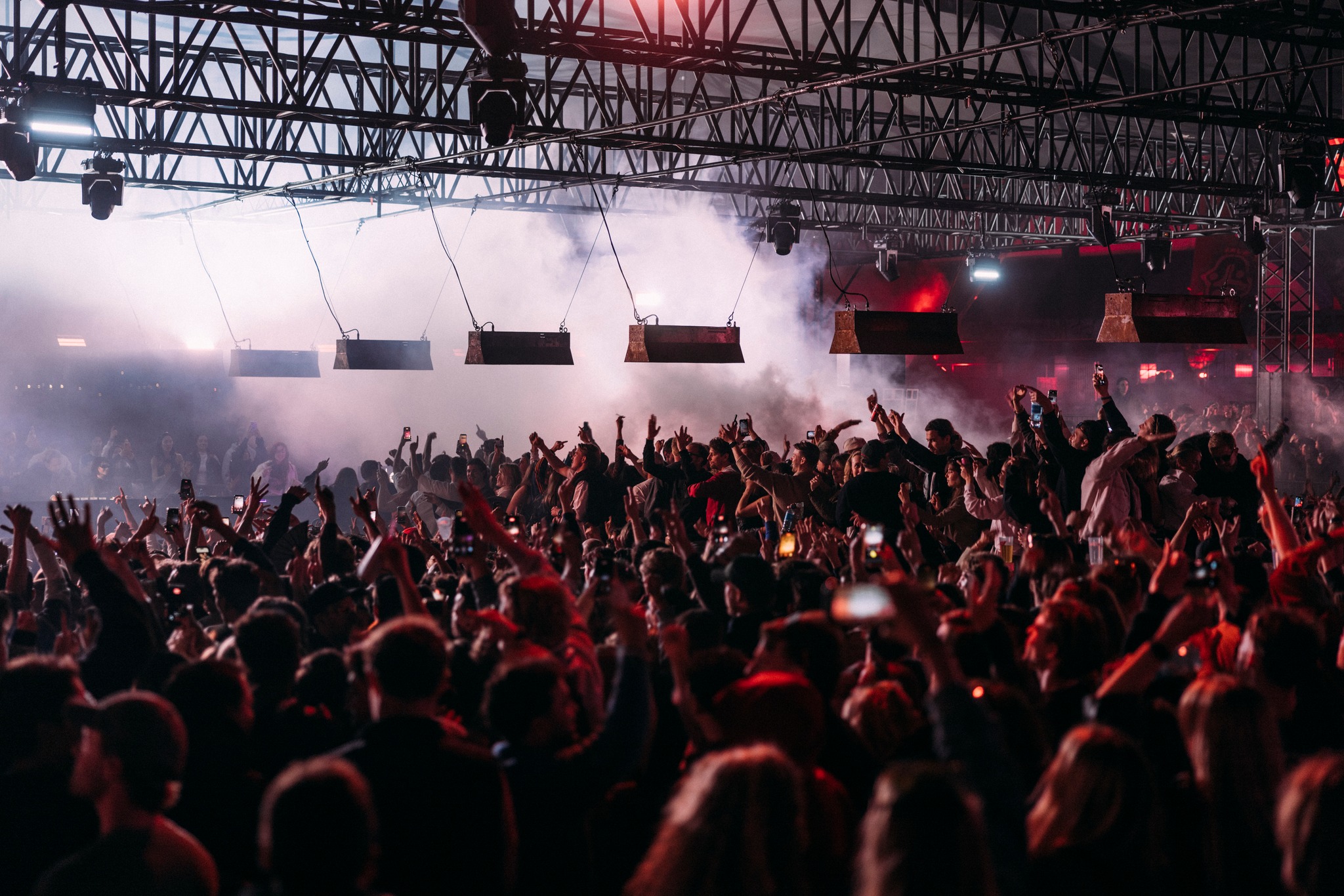
The Current stage became one of the most improved spaces of DGTL 2026! Reworked in both flow and design, it felt less like a side stage and more like a destination in its own right. The layout made movement easy, the sound felt balanced without losing intensity, and float was definitely stable!
As already proven in the past: the energy at the Current is the best, where the artists fade into the image of the attendees dancing all day long.
My personal highlight: Dom Dolla at the AMP stage
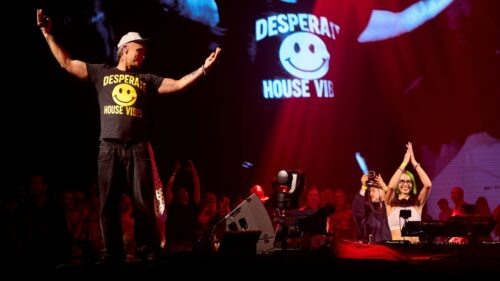
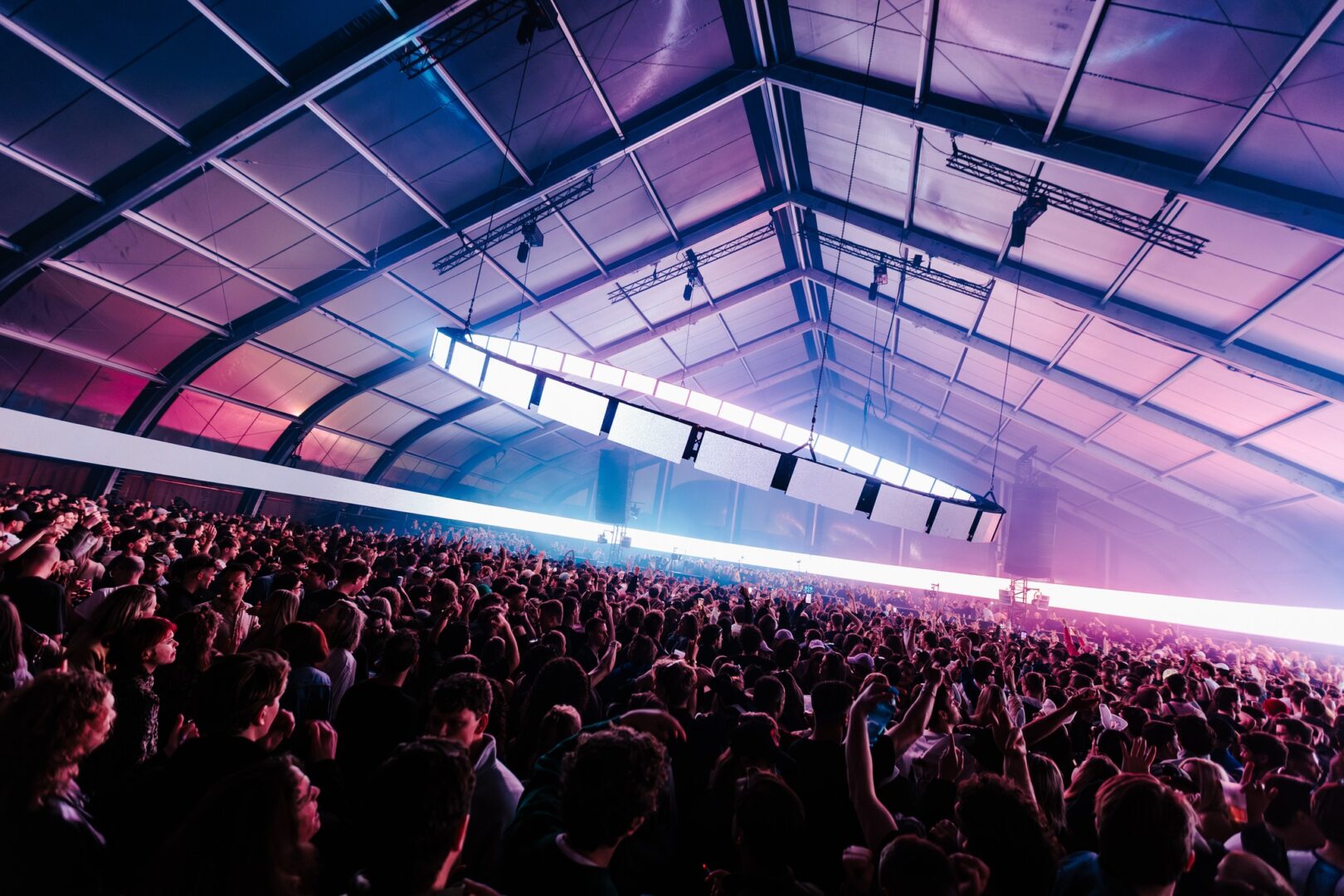
One of the most defining moments of the weekend came from Dom Dolla, who didn’t play the mainstage, but the AMP stage, and in many ways, it felt like the most visually overwhelming space of the entire festival.
The AMP stage was built around a massive suspended LED ring hovering over the crowd, acting almost like a second sky. Instead of just framing the DJ, it swallowed the audience in light geometry. Every drop felt physically mapped onto the crowd below it, as strobes and pixel-shifting visuals wrapped around bodies rather than just behind them.
Dom Dolla leaned into that environment perfectly. Not a single attendee stood still, as we enjoyed the grande finale of the weekend.
The five pillars of DGTL’s circular system
What defines DGTL more than anything else is how its “circular festival” model is no longer an experiment, but a framework.
Food and drinks across the site were entirely vegan, with menus designed in collaboration with Fork Ranger, where every dish is linked to its CO₂ footprint. Even the way food is experienced is now part of the festival’s environmental feedback loop. Everything is served on reusable tableware, removing disposable waste from the equation almost entirely.
Water systems pushed even further into experimental territory this year. The IJ river supplied the majority of non-consumption water usage, including toilets and cleaning infrastructure, while a hydrogen-based system supported temporary water needs. One of the more surreal systems remained the collection and filtration of urine: roughly 40,000 liters processed to recover nutrients for agricultural reuse. It is uncomfortable, precise, and exactly aligned with DGTL’s philosophy: nothing is “waste” until it is processed.
Energy across the entire site came from renewable sources only, eliminating fossil-fuel backup systems altogether. Meanwhile, mobility strategies continued to reduce fossil dependency through transport planning, encouraging electric and shared transit systems as the default way into the festival.
Waste handling remained almost surgical. Volunteers sorted everything on-site, while much of the festival infrastructure was built from rental or reusable materials. Even visual elements like banners and signage were partially designed for secondary use, including transformation into reusable goods after the event.
DGTL Academy
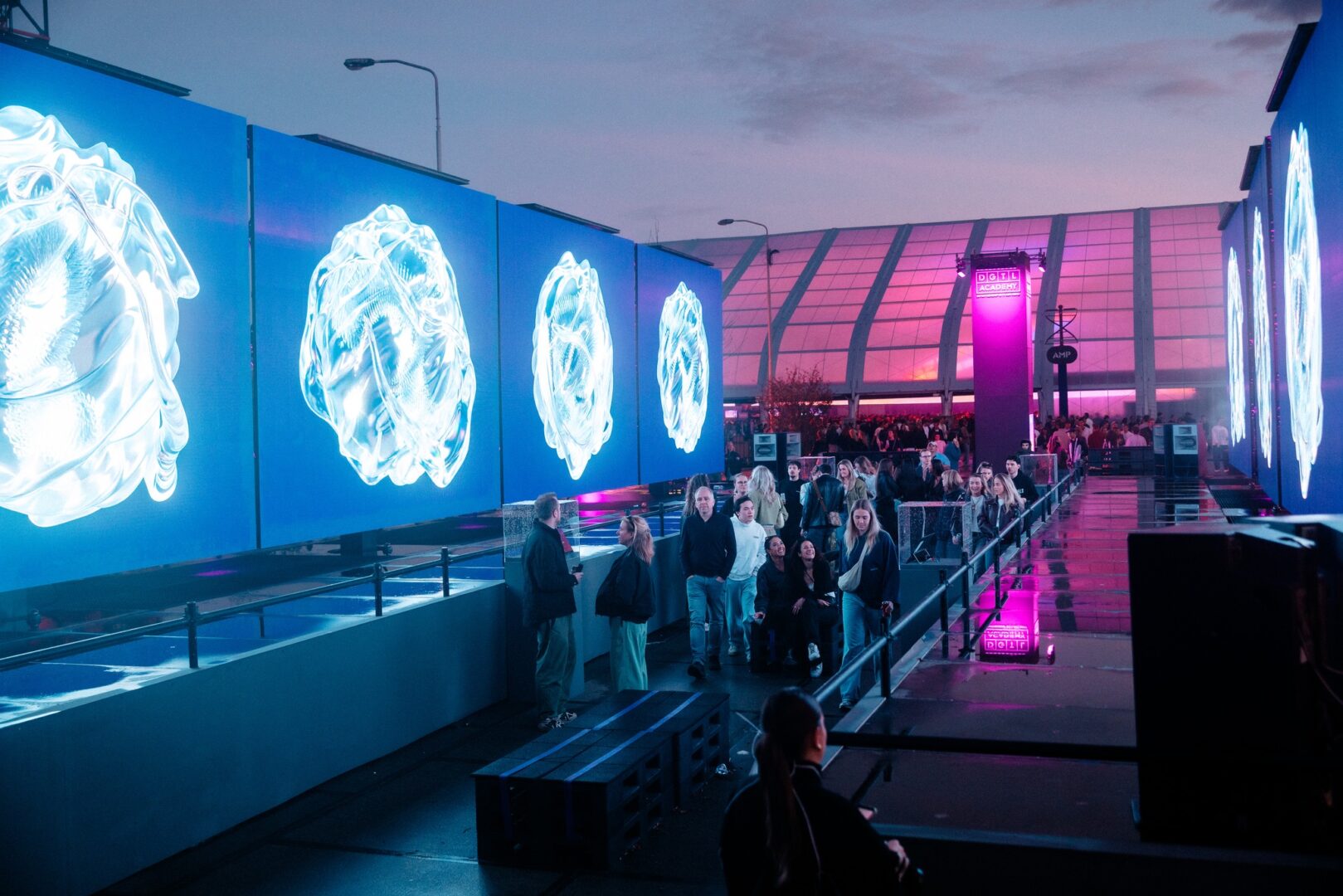
The DGTL Academy installation this year stood out not because it was louder or bigger, but because it felt deeply human inside a highly engineered environment.
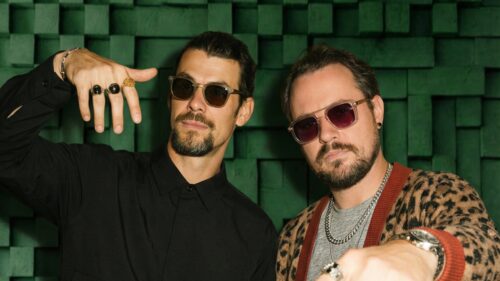
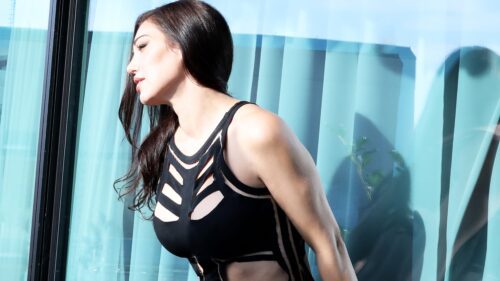
Two audio-visual artists — both pregnant during the creative process — built an interactive installation that combined sound, visuals, and body tracking.
There was a sense of duality running through it: technology and embodiment, future and physical reality, creation and transformation all channeled into one spot! We visited it twice, during different “stages”, which ended up being the moment we shared our impressions most all weekend!
The Crane competition
The Crane stage, again developed in collaboration with Bud, continued its unique programming format where the opening set each day is not booked in the traditional sense, but won.
Out of more than 480 submissions, selected artists earned their slot through competition. The result is a stage that never feels static. The experience changes daily, depending on who earned the right to open the system.
DGTL 2026 didn’t feel like it was trying to impress anyone, but to function in the least environmentally, but highest socially impactful way!
Between Dom Dolla’s AMP performance under the turning LED ring, the surprisingly refined Current stage, and a circular system that treats water, food, waste, and energy as interconnected flows, the festival continues to drift away from the idea of “event” and closer to something resembling a temporary city.
Ever-inspiring weekend and we can not wait to learn about all the findings and developments next year!