In today’s electronic music landscape, artists who draw from multiple influences often create the most compelling sonic identities.
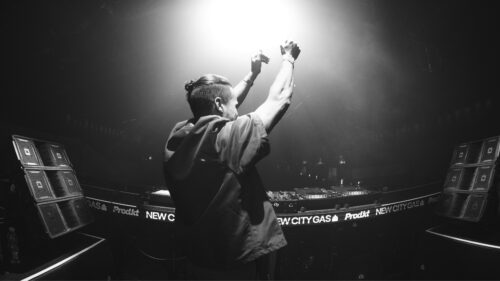
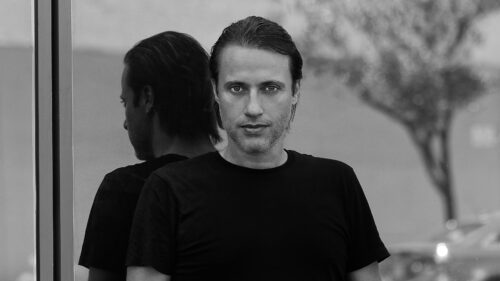
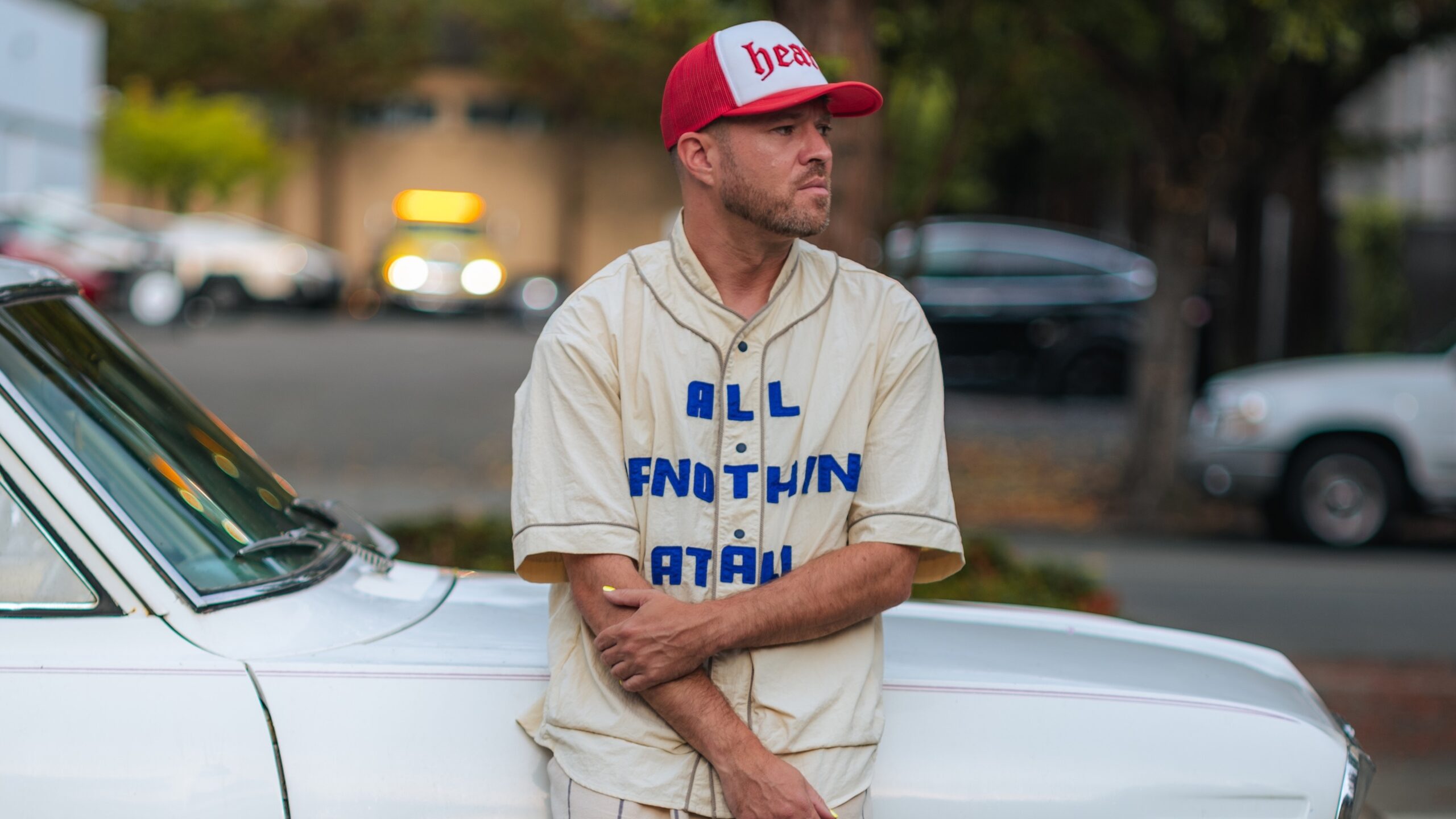
Among them is Truthlive — a San Francisco-based producer, DJ, and label head whose music blends electronic, soul, hip-hop, and club traditions into a style defined by curiosity and feeling.
Also known as Evan Phillips, Truthlive first gained traction as co-founder of Interdependent Media, a platform dedicated to supporting independent artists navigating the modern music industry. While helping others build their careers, Phillips was quietly developing his own voice as a producer shaped by wide listening and cross-scene collaboration.
That openness became a defining part of the Truthlive sound. Rather than limiting himself to a single electronic subgenre, his productions move fluidly between energetic club records and more melodic, song-driven releases. Soulful harmonies, hip-hop rhythms, and dancefloor grooves coexist naturally in his work, reflecting a creative approach that prioritizes emotion and atmosphere as much as technical production.
This balance has helped Truthlive reach a growing global audience. His EPs October Summer and Love & Respect both reached No.1 on Beatport’s New Releases chart, marking a significant milestone in his rise as an artist. The achievement highlighted how his blend of groove, melody, and club sensibility resonates across international dance music communities.
Recent singles such as “Going Up” and “Surrender” further showcased that versatility. One leans toward uplifting dancefloor momentum, while the other reveals a more melodic and reflective side of his production style. Together, they illustrate the creative range that defines the Truthlive project.
At the heart of his work is a belief in music as a shared experience. For Truthlive, the club is more than a performance space — it’s a place where rhythm, energy, and emotion bring people together. That philosophy also shapes his collaborations and his ongoing support of independent artists within the wider electronic music community.
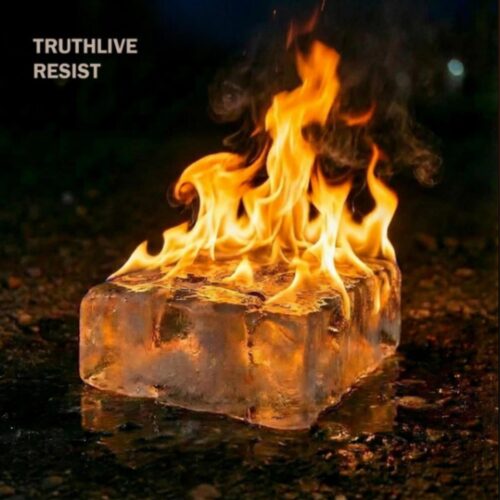
His new single “Resist” continues that theme, underscoring his belief in music as a space for expression, connection, and collective energy.
As Truthlive’s profile continues to grow, his music reflects a clear vision: dance music not just as sound, but as a meeting point for cultures, influences, and people on the same wavelength.
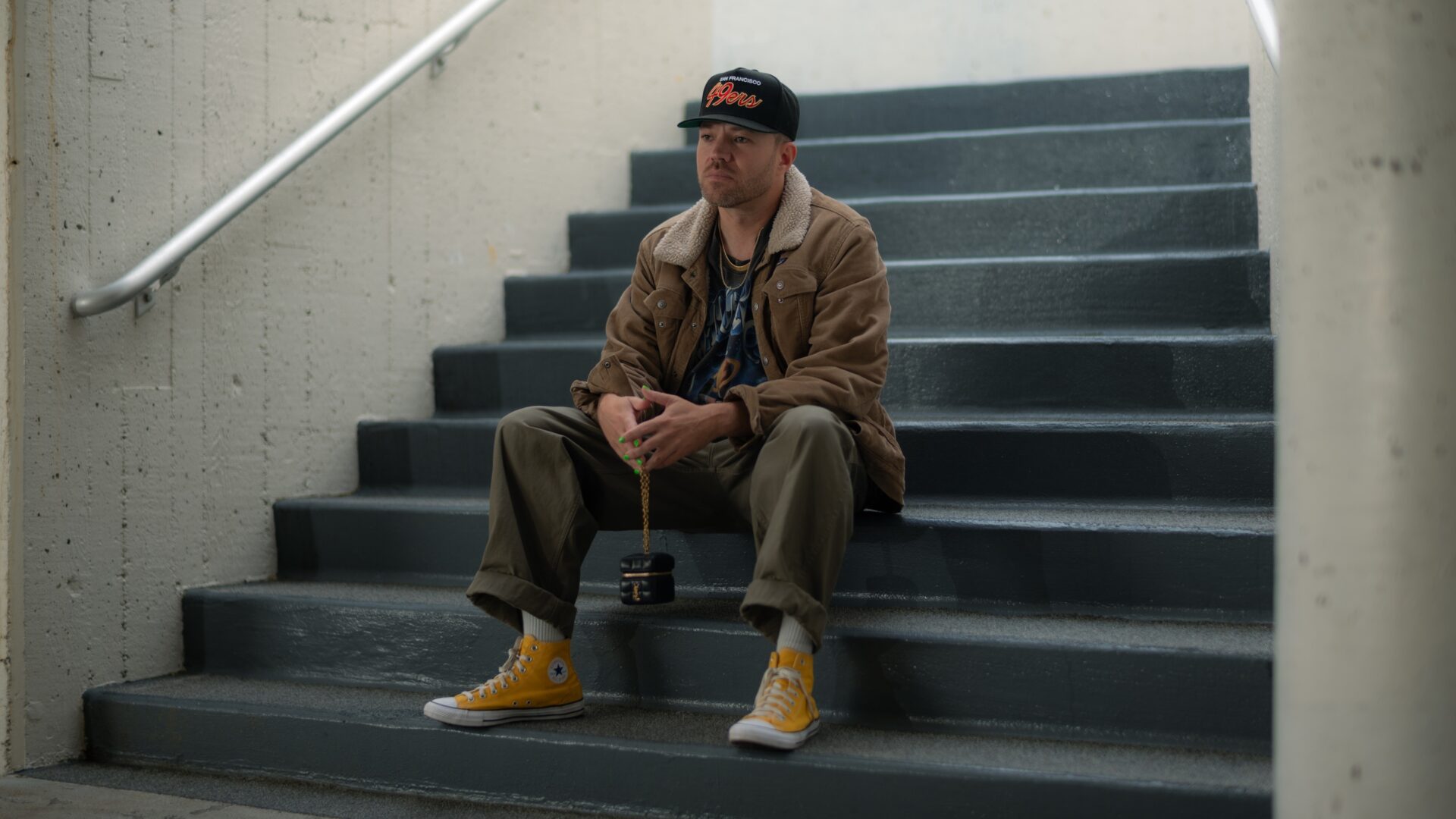
In the following exclusive Q&A, Truthlive discusses his creative journey, musical influences, and the ideas shaping his latest releases.
1. Resist feels like a bridge between your harder-edged energy on Going Up and the groove-led atmosphere of Surrender. How conscious were you of positioning this track between those two sonic worlds?
It wasn’t created with that intent, but it was considered in the release schedule cadence. As more of my new music comes out, they should start to tread things in a way that bridges genre gaps but is cohesive in other stylistic ways.
2. You’ve described Resist as carrying a more overt political message. In what ways did that intention influence the production choices — from rhythm to dynamics to overall mood?
Well, it is very immediately in your face. Bass booming, loud, clear, succinct. That is how a lot of effective protest messaging works best too. The track sonically does have a nice duality with the more symbolic aspects. The breathing, both male and female toned, the vocal sample saying “resist” in a robot voice, the rhythms, the call backs to eras of old in some of the sound design, it all of that plays a part.
3. The track leans into broken beat structures and rhythmic complexity. What drew you to explore that fractured, syncopated territory at this point in your journey?
It’s not a new thing for me to do in my own workflow and creative process. I have made tons of unreleased music exploring other rhythms. My more recent works and released tracks have been more four on the floor as I have been going for a more House or House adjacent vibe. But syncopation is something I have used a lot in my personal private catalog. And I definitely have more coming in that territory.
4. You’ve said that dance and electronic music are inherently political, rooted in resistance and counterculture. How do you see today’s club culture reflecting — or drifting away from — those origins?
I see both happening. It depends on the city, the scene, the subscene, the venue, the promoter, the scale. It’s drifting away from its core tenet roots via the classist components built into the big business of it all. You know, the mega shows and fests. The gatekeeping is controlled by the power players throwing and playing these big production events. That isn’t really about culture, or art, or community, or even music at its core. It’s more about money. Which is okay. People gotta eat. Popular artists should be getting paid a lot and that’s what is required sometimes. I am not mad at it. Those events can be really fun too. But it’s not what I would call counterculture or politically aligned with the spirit of where this all comes from. At the same time, there are also lots of undergrounds, old school warehouse type raves, afters, small venue spots doing great that really preserve all of the roots. Both versions exist and seem to be doing well in terms of audience support. That’s good news. There are options.
5. There’s a strong theme of “preserving joy as resistance” in your statement. How do you translate something as conceptual as that into a physical, dancefloor-ready track?
Simple–making music people can dance and move to. The mere act of dancing is in itself resistance to oppression. It is freedom as an expressive act. That is an individualized revolution, every time you do it. And there’s the aspect of community. The connection of a shared dancefloor with friends and strangers. There is a joy to it all. So if I can make something that inspires people to move, or even to be listened to without dancing, I am translating that concept to reality.

6. Over the past year, you’ve moved fluidly between warehouse-driven intensity and smoother, funk-inflected grooves. Do you approach each track with a different mindset, or does the evolution happen organically in the studio?
I generally refrain from trying to make a predetermined exact style or sound when creating. It happens, but overall it’s pretty wide open in attitude and approach. I have basic ideas or workflow formulas that get me going, and then whatever feels good, I go with. Occasionally there is more clear intent, but I live by a motto of “don’t fight the feeling, don’t force the feeling,” even beyond music.
7. Surrender was about giving in to the vibe, while Resist is about standing firm. Do you see these themes as opposites, or as two necessary energies within both music and life?
Again with the duality. I did not premeditate things this way, but it happened. It does feel like there is something there beyond random chance, consciously or unconsciously, Both energies are necessary though. We must generally surrender to life, but also resist the things that harm us.
8. You’ve spoken about rejecting stylistic confinement. In an industry that often rewards clear branding and genre identity, has maintaining that versatility ever felt risky?
Yes. It has. It still does now. But it does not feel as risky as being unhappy by overly catering to other people’s expectations of me. That’s a risk that leads to unhappiness. This risk? Of being hard to categorize by genre? That comes with maybe being less well known or harder to discover. That’s liveable for me. And I think I can overcome the narrow mindedness of needing to have one sound if I stay consistent with quality and the frequency of the releases. People like all kinds of music.
9. Rhythm feels like the driving force of Resist. When you’re building a track like this, does the groove come first, or do you start with atmosphere and concept?
Umm, I kinda heard it all at once to be honest. The vocal sample instantly inspired a full aesthetic in my head. 808 kick, mega boom, old school electro elements in the pads and synths, and some modern bass design. It was there from the jump, granted the complexity progressed over sessions. I guess the groove did functionally hit first. That’s what I did first, the drum programming.
10. With Resist marking another bold step in your catalogue, where do you see your sound heading next — further into rhythmic experimentation, back toward club-focused energy, or somewhere entirely unexpected?
I wish I knew. I have been making some of everything. My productivity is high. You can expect all of it. Club shit, chill shit, experimental shit, all of it. The vision is about quality and quantity, rather than genre. Maybe that will change but not at the moment.
UFO Network brings you music news daily! See more news here
Listen on Spotify