Exclusive Interview with Whisnu Santika
Few artists have done more to elevate Indonesian electronic music onto the global stage than Whisnu Santika. Widely recognised as a pioneer of the Indo Bounce movement, the Jakarta-born DJ and producer has spent the last several years building a reputation for high-energy records that fuse global club sounds with a distinctly Indonesian identity.
Now, Whisnu is preparing to unveil his most personal project to date. His forthcoming debut album, Map of Feelings, marks a bold new chapter, one that looks beyond the dancefloor and into themes of self-discovery, vulnerability, healing and human connection. Led by the emotionally charged single “Aku Harus Pergi” with Ari Lesmana, the album explores a deeper side of Whisnu’s artistry while maintaining the energy that has defined his rise.
The announcement arrives at a landmark moment in his career. Alongside two performances at Tomorrowland Belgium, Whisnu has also just been announced as part of the lineup for Tomorrowland Thailand, further cementing his position as one of Southeast Asia’s most visible electronic music exports.
We caught up with Whisnu to discuss Map of Feelings, his creative partnership with Ari Lesmana, representing Indonesia on the world stage, and what fans can expect from this exciting new era.
Hey Whisnu, thanks for chatting with us and congratulations on announcing your debut album, Map of Feelings. After years of defining the Indo Bounce sound, why did now feel like the right moment to reveal a more personal and emotional side of your artistry?
I’ve wanted to tell these stories to my audience for a long time. Up until now, I’ve mostly expressed myself through beats and energy, but never really through lyrics. Releasing my debut album feels like the right moment to finally open up and show a more personal side of who I am. For people who are just discovering my music, and also for those who have been following my journey for years, I hope this album helps them understand me on a deeper level.
I also want my music to be present not only during the happy and celebratory moments, but also during the more personal ones, when people feel tired, lost, overwhelmed, or simply not okay. I hope this album can feel like a companion for those moments too.
You’ve described Map of Feelings as a bridge between electronic music and Indonesian pop. What inspired that vision, and how challenging was it to balance the energy of the dancefloor with deeper emotional storytelling?
The vision was actually inspired by both myself and my audience. For years, I’ve been making electronic music and performing for crowds where energy is everything. But at the same time, I also carry a lot of emotions that are hard to fully express through beats alone.
I’ve also had many people from my audience share their stories with me; how they listen to my music not only during happy moments, but also when they’re sad, angry, overwhelmed, or going through difficult times. That made me realize that the connection between my music and the listeners has always been more emotional than I initially thought.
With Map of Feelings, I wanted to embrace that side more honestly. I wanted to create something that still carries the energy of electronic music, but also feels emotionally relatable at the same time.
The biggest challenge was finding the balance between those two worlds. Dance music naturally pushes people to move and feel excitement, while emotional storytelling needs space and vulnerability. Throughout the process, I kept trying to make sure the production still hits with strong energy, while the lyrics and melodies could carry genuine emotions underneath it.

The album title suggests a journey through different emotional states. Can you tell us how the concept of Map of Feelings came together, and whether there is a particular story or life experience that connects the album as a whole?
Basically, Map of Feelings is a reflection of my life journey and the way I understand relationships in life. It’s a journey between the vertical relationship with myself and something bigger than me, and the horizontal relationship with the people who come into our lives, leave, and leave behind memories.
For years, I’ve been telling my stories through singles, one by one, but I’ve never shared the complete picture in one larger body of work. This album became the space for me to finally connect all those emotions and experiences into one full story.
And because I’m not a singer, I realized I needed collaborators who could help translate my feelings and stories into songs. That’s why this album is built entirely through collaborations with musicians from different genres. Each collaborator becomes the voice and messenger of a different story within the album, while I focus on building the emotional world and energy behind it.
The lead single “Aku Harus Pergi” explores themes of separation, healing, and self-discovery. Why did you choose this song as the introduction to the album, and what message do you hope listeners take away from it?
I chose “Aku Harus Pergi” as the introduction to the album because I feel like the song perfectly captures the emotions, tone, and overall atmosphere that I want to present through Map of Feelings. In a way, this song is the first message I want to share with people, showing that there’s another side of me beyond the energetic songs I usually release.
Through this song, I also wanted to be honest about the fact that I’m human too. There are moments when I feel tired, overwhelmed, and need to step away for a while to clear my mind and reconnect with myself.
More than anything, I hope this song can find people who may be going through the same phase in life. I hope “Aku Harus Pergi” can become a small safe space for them, a place where they can feel understood, comforted, and emotionally embraced, even just for a moment.
Your collaboration with Ari Lesmana follows the success of “Mangu,” which resonated strongly with audiences. What makes your creative chemistry with Ari so special, and how did that relationship influence the direction of this album?
Since the first time I worked with Ari Lesmana, I felt like he was one of the very few people who could truly translate the emotions and thoughts inside my head into words. He has a very special way of turning feelings into lyrics that sound honest and deeply human.
I still remember in 2025, when I performed “Mangu” by Fourtwnty with him in front of a crowd at a festival in Surabaya. Watching the way Ari delivered the song on stage made me realize that there was something magical and very genuine in the way he carries emotions through music. It’s hard to explain, but people can really feel it when he sings.
Right after that performance, I invited him to help produce my 2026 project, which eventually became this album. During the workshops, while we were developing the lyrics, melodies, and emotional direction of the songs, I realized that Ari wasn’t just helping shape the project—he was becoming an essential part of its soul.
And when “Aku Harus Pergi” finally came together, I knew he was the right person to sing it because the spirit and emotional core of the song naturally lived inside him from the very beginning.
Fans know you for high-energy records like “Cartel,” “Que Pasa,” and “Sahara.” Do you think listeners will be surprised by the vulnerability and introspection on Map of Feelings, and were you ever hesitant to share this side of yourself?
I feel like a lot of people probably wouldn’t expect me to release music like this because sonically, lyrically, and emotionally, it’s very different from the kind of records I usually put out.
Most people know me through high-energy songs and festival moments, so showing this more vulnerable and introspective side might feel surprising at first.
But at the same time, I’ve always believed that this is also a real side of who Whisnu Santika is—maybe even the side that people haven’t fully discovered yet. That’s why I never wanted this album to feel like I was becoming someone else. It’s more about revealing a deeper layer of myself that has always been there.
I hope through Map of Feelings, listeners can get to know me in a more personal way and discover a different side of my music beyond the dancefloor — not only creating energy for people to celebrate, but also creating music that can stay with them during more emotional and reflective moments in life.
You’ve been a key figure in bringing Indonesian Bounce to international audiences. How has your experience representing Indonesia on the global stage influenced the music and identity of this debut album?
Representing Indonesia on the global stage has shaped me a lot, not only as a DJ and producer, but also as a person. Over the years, I’ve had the chance to bring Indonesian Bounce to different countries and audiences, and that journey made me realize how important identity is in music.
Releasing Map of Feelings doesn’t mean I’m changing genres or leaving behind the sound that people know me for. Even though this album explores a more emotional and personal side of me, I still wanted it to carry the spirit and character that people recognize from my music.
It’s still rooted in the energy of electronic music, but now combined with more honest storytelling and emotions that feel very close to my real life. I think this album became a reflection of both worlds: my experience performing for international audiences and my personal journey of growing up, evolving, and understanding myself more through music in Indonesia.
This year you’ll be performing twice at Tomorrowland Belgium, one of the world’s most iconic electronic music festivals. What does returning to such a global platform mean to you at this stage of your career, especially with a new album on the horizon?
I feel incredibly grateful to be returning to Tomorrowland Belgium this year after my first experience there in 2024.
Being able to perform on such a global stage means a lot to me, not only because of the international exposure, but also because it gives me the opportunity to represent Indonesian DJs and producers in a space where our music can be seen and appreciated by the world.
I hope my journey can encourage younger Indonesian DJs and producers to keep creating and exploring without limits. I want people to feel that they don’t have to be restricted by one sound or one genre. Even with Map of Feelings, I’m trying to show that growth in music comes from being honest with yourself and daring to explore different emotions and ideas through your art.
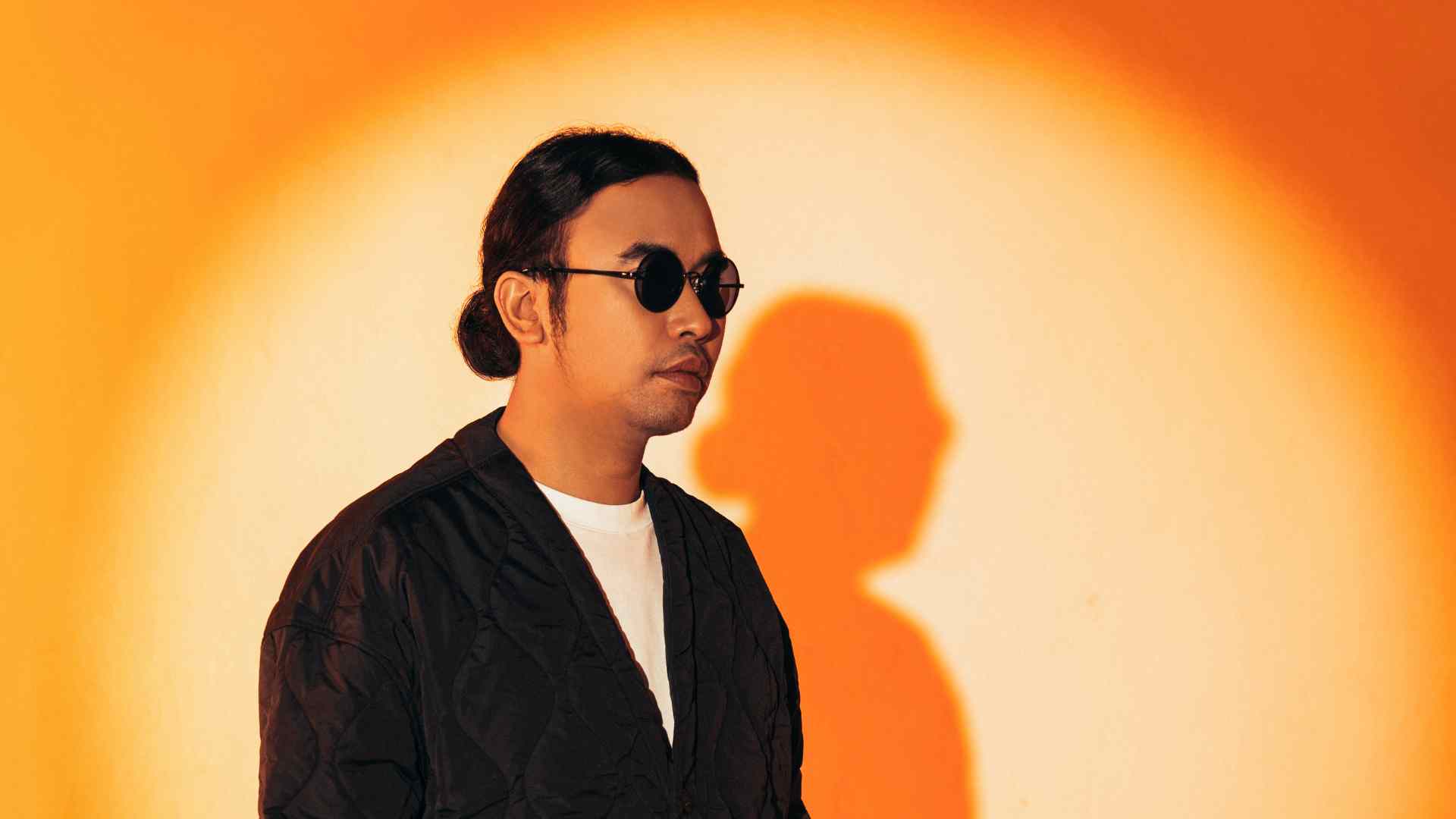
You’re also set to perform at Tomorrowland Thailand, marking another major milestone for dance music in Asia. How important is it for you to see Southeast Asian artists and sounds gaining visibility on stages like Tomorrowland?
It’s incredibly important to me, and honestly, it has always been one of my biggest goals to see more Southeast Asian artists — especially Indonesian DJs and producers — being recognized and appreciated on global stages like Tomorrowland.
I believe we have so much talent, creativity, and unique cultural identity to offer the world. That’s why, when I performed at Tomorrowland in 2024, I carried a personal slogan: “Start Collaboration, Stop Competition.” It reflected a vision that I’ve always wanted to encourage within the Indonesian music community; the idea that we can achieve more by supporting and collaborating with one another rather than seeing each other as competitors.
For 2026, I’m carrying another message: “Global Sound, Indonesian Soul.” It represents my belief that while our music can connect with audiences worldwide, we should never lose the identity and spirit that make us who we are. I want to continue encouraging Indonesian artists to proudly bring their culture, perspective, and individuality onto the global stage.
My hope is that these messages can become more than just slogans. I hope they inspire a mindset and a sense of pride that we can carry together as we continue pushing Indonesian music further onto the international stage.
As fans look ahead to Map of Feelings and your Tomorrowland performances, what can they expect from the next chapter of Whisnu Santika? Is there a particular feeling, message, or experience you hope people leave with after hearing the album and seeing you perform live?
I hope that Map of Feelings can represent not only my own story, but also the stories of people who are navigating the complexities of being human. We all experience different emotions — joy, loss, confusion, love, anger and hope — and sometimes it can be difficult to express those feelings.
I also hope that the album feels relevant to anyone who may be going through something in their life, whether they’re healing, grieving, searching for meaning, or simply trying to understand themselves better.
And when people experience these songs live, I hope the emotions become even more real. I want the audience to feel the stories, the energy, and the emotions in a way that connects with their own lives.
At the end of the day, my goal is for people to leave not just with memories of a performance, but with a feeling that stays with them long after the music ends.
UFO Network brings you music news daily! See more news here