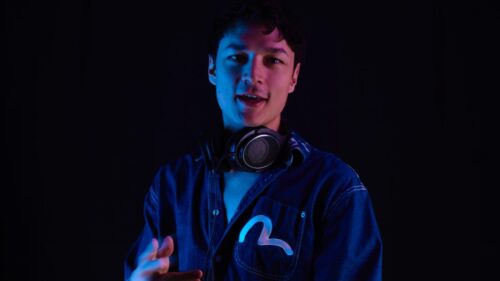
STVW’s career has always existed at the intersection of worlds: the high-energy electronic music scene, the emotional intensity of pop-punk and emo, and the complex logistics of live band production.
What sets him apart is not just his sound but his ethos — a self-made, DIY approach where authenticity and creative independence are paramount. From bedroom studio experiments to international tours, STVW has developed PUNK RAVE, a multi-dimensional artistic ecosystem where music, visuals, fashion, and live performance all converge.
For STVW, PUNK RAVE isn’t a trend or a gimmick — it’s a living, flexible framework that reflects his personal passions and allows him to evolve organically. We caught up with the man himself to find out how he maintains artistic integrity, navigates major-label systems, collaborates across genres, and builds a community that values real connection over surface-level metrics.
Hey STVW, thanks for taking the time to chat to us here at UFO Network. How are you today?
Hey guys, thanks so much for having me! I’m doing great, just recharged my batteries during the Christmas holidays and now ready to rock 2026!
Your career moves between electronic music, rock culture, and large-scale live production. When you zoom out, how do you personally define the STVW project beyond genre or format?
I would say STVW is the perfect example of “self-made,” authenticity, and the idea that you can achieve anything as long as you’re consistent and really believe in yourself and your vision. When I started, I basically had no clue about music production or even what a DAW (Digital Audio Workstation) was. I’ve just always had a passion for music since I was a kid, and I knew I wanted to learn how to make my own songs.
As cliché as it might sound, I just put in the hours to learn how things work and, most importantly, to improve my skills every single day. I have almost no knowledge of music theory — I simply trained my ears and do whatever feels right. And I think that’s exactly what STVW is about: the imperfection, the DIY character, and pure love for music and art.
Some people might think I have a really big team behind me, but it’s actually just me and a couple of close friends who help bring my vision to life. I make my own music, I’m involved in show production and creative decisions, I handle my social media, I design merch, and sometimes I even cut my own music videos. I might not be the best at all of these things, but there are no rules — it doesn’t always have to be 100% perfect or ultra-professional. We’ve already had more than enough of that in the past.
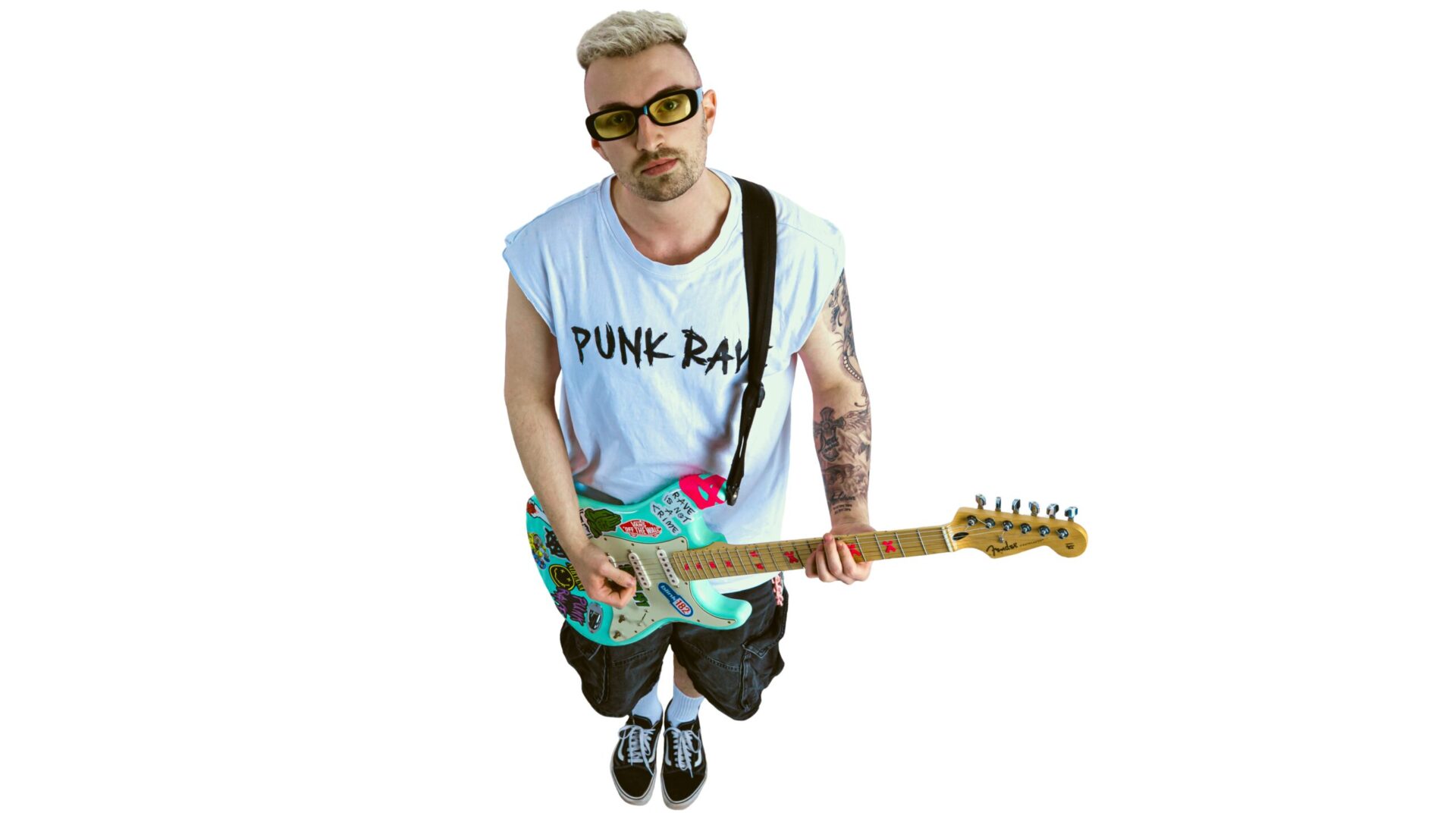
PUNK RAVE isn’t just a sound but a framework that ties together music, visuals, and live performance. How consciously did you design it as a long-term artistic ecosystem rather than a phase?
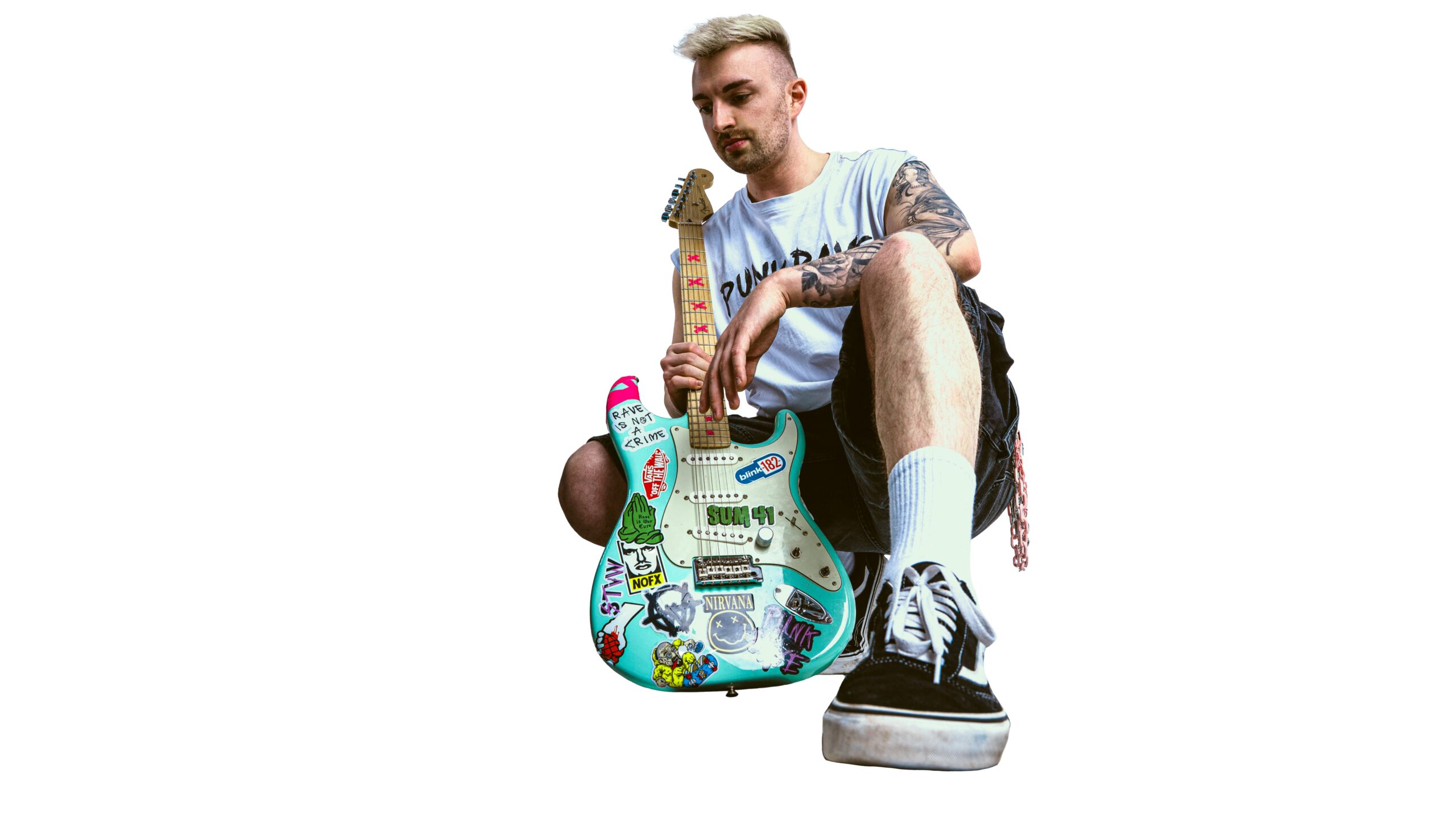
To be honest, I hadn’t put much thought into it at the beginning. It just started as a vision coming from my personal preferences. As a teenager, I fell in love with Emo and Pop-Punk, listening to bands like blink-182, Sum 41, My Chemical Romance, and Simple Plan, and later I got into EDM. So at some point, I just started blending the two genres for my own productions.
Everything came together organically — the clothes I wear, the way I present myself on social media, the show production, and the music I make as STVW are all reflections of what I enjoy privately and who I am as a person. There’s no role I have to step into or character I need to play. That freedom is a huge advantage for longevity and helps me understand my core audience.
Because everything is done in-house, we’re very flexible when creating or adjusting things. If I want to make new music, I just make it. If I want to release a song every week or post on social media daily, I can do that too. Being independent and fully in control is extremely important for staying around long-term.
You’ve worked within multiple major-label systems while maintaining a very specific identity. What did those experiences teach you about protecting artistic intent in a commercial environment?
You definitely have to stay true to what you stand for and not let labels or people in the industry tell you otherwise. If you believe in something, do it exactly the way you want — people will either love it or they won’t.
A lot of times, labels or A&Rs told me, “You have to change this or that,” and in the end, the song sounded completely different. Of course, it’s important to listen to feedback, but you have to pick the right parts — use feedback to improve the song while keeping the original idea and spirit intact.
Many artists wait for external validation before committing fully to their vision. Was there a moment where you chose belief over safety in pushing PUNK RAVE forward?
It basically started when I realized you don’t really stand out if you sound like every other DJ or producer. You need your own vibe. And one day, it clicked — why not mix my first love, pop-punk/emo, with my newer love for EDM? At that point, I hadn’t heard anything like it, so I thought, why not try?
It took a lot of failed attempts, but eventually I had a creative breakthrough and wrote the first PUNK RAVE songs where I felt, “This is me — authentic and unique.”
Labels didn’t get it at first. A&Rs were saying, “No big DJ will support this, it’s too niche.” But I knew there had to be people who would love this combination of genres. The direction EDM was going at the time just wasn’t for me, so I had to do my own thing.
What helped me push forward most was that I genuinely believed in what I was creating, and I hadn’t had that much fun in the studio in a long time.
When I made a track combining pop-punk with happy hardcore, I sent the first demo to Timmy Trumpet, who had been supporting my music — and he got back saying he wanted to release it together. That was huge validation.
Around the same time, Instagram Reels and TikTok exploded. I posted a remix of Sum 41’s Still Waiting, and within days it had over 2 million views and tons of positive reactions. I told my team, “See? I found the people who vibe with this music.”
Your collaborations span electronic producers, pop artists, and rock bands. How do you decide which partnerships genuinely expand the project rather than dilute it?
I always look for artists or bands I like personally and think could fit well with PUNK RAVE. Most collaborators genuinely connect to the pop-punk/emo and electronic crossover, or come from a place of real curiosity and respect. That’s when collaborations expand the project instead of watering it down.
I’m very hands-on creatively — songwriting, sound design, overall vision. Even when someone brings a different background, whether electronic, pop, or rock, it still ends up sounding like STVW. I’m not trying to disappear into collaborations; I want them to feel like different perspectives entering the same world.
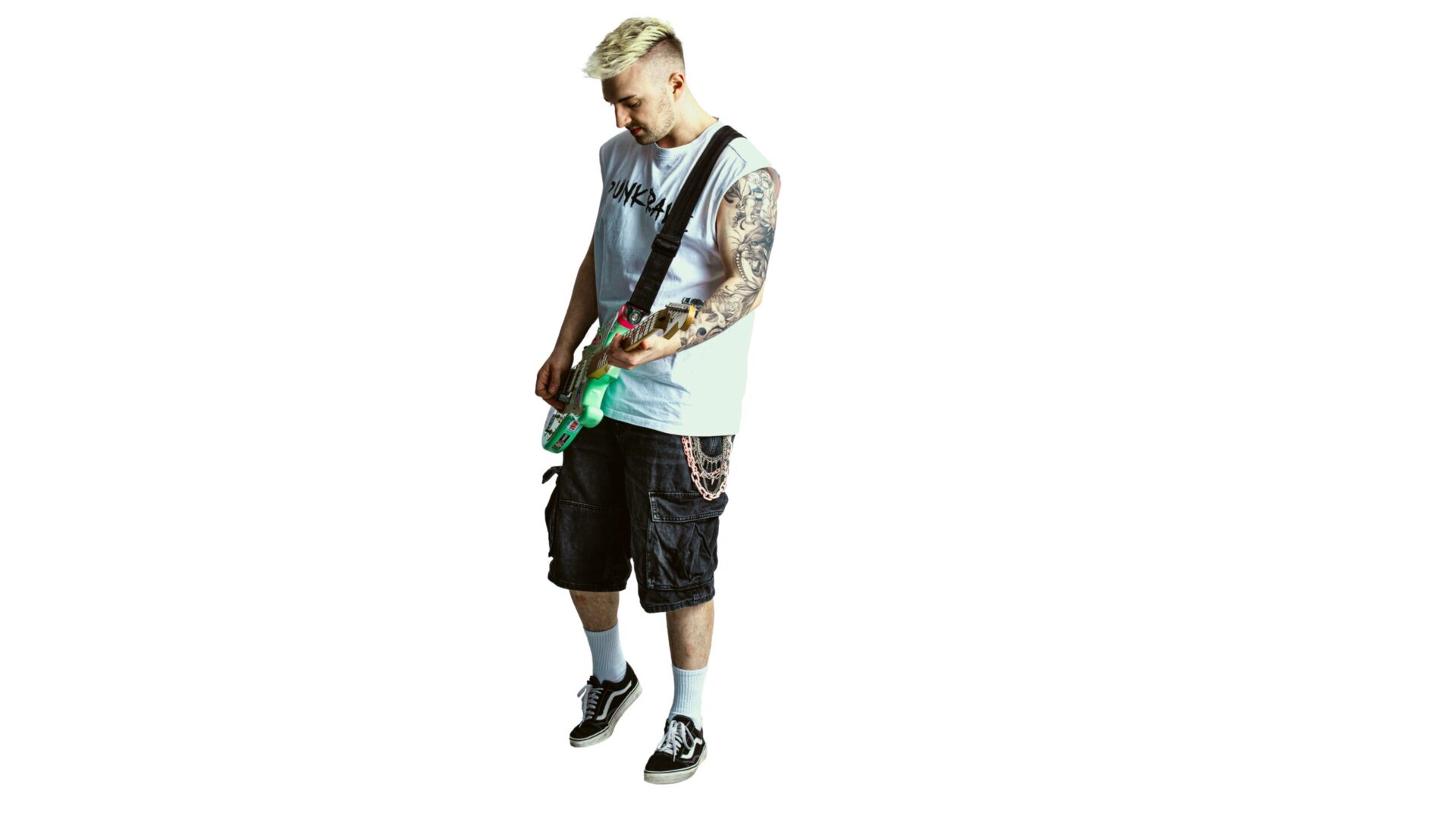
The transition from DJ to hybrid live act requires rethinking everything from production to logistics. What behind-the-scenes shifts were most critical in making that leap sustainable?
It was a scary challenge at first. As a DJ, you plug in and play your set. As a live act or small band, everything changes. You have to transport instruments, manage more equipment, and for international shows, rent gear like drums and electronics. Soundchecks are also critical — making sure in-ear mixes and instrument balances work.
Financially, it’s different too. Traveling with a bigger crew requires decisions about buses, flights, hotels, and equipment rentals. Thankfully, I had friends in bands who helped me and my team figure out the logistics. The first few shows weren’t perfect, but we learned and improved each time.
As streaming numbers and social reach grow, how do you personally assess progress when traditional industry metrics no longer tell the full story?
The industry has changed a lot. I genuinely believe having a strong community is more important than streaming numbers. Millions of streams mean little if people don’t actually know or care about you. You can buy followers, likes, or streams, but that doesn’t build a healthy career.
That’s why I focus on doing my own tours and fewer club shows. Promoters often look at numbers on paper and don’t understand your community. Running your own tour gives clear, black-and-white insight into genuine interest — real numbers that matter. Streaming and social metrics are only useful if they translate into real-life engagement.
Dance music often cycles quickly through trends. What mechanisms have you put in place creatively to keep STVW evolving without chasing relevance?
It’s important to stay true to yourself. Keep an eye on trends, sure, but don’t change your core sound just to chase them. Instead, take elements from trends and integrate them in your own way. That keeps you inspired while maintaining authenticity.
Looking ahead, how do you want PUNK RAVE to be discussed in five or ten years — as a genre, a movement, or something else entirely?
My goal is to build a strong community and brand — more than just a genre. It’s about bringing people from rock and EDM together and creating live experiences where everyone can be themselves and forget their daily struggles for an hour or two.
Before we sign off, do you have anything else you’d like to share with our audience?
I’m super excited to bring the PUNK RAVE tour to even more cities this year. Something that started as a bedroom vision has become a movement that many people relate to. Social media is great, but nothing beats connecting with fans in person. Stay tuned for tour dates and my socials @stvwmusic — hopefully I’ll see you somewhere around the world at a PUNK RAVE show!
UFO Network brings you music news daily! See more news here